Prevention
Space heater and fireplace safety for Texas cold snaps
Space heater safety for Texas cold snaps: the 3-foot rule, switching off at bedtime, yearly chimney checks, and the heat sources to skip when the power goes out.
By Ricky Ballard7 min read
Space heater safety comes down to two habits the U.S. Fire Administration (USFA) repeats every winter: keep anything that can burn at least 3 feet away, and turn the heater off when you leave the room or go to bed. Fireplaces need the same 3 feet of clearance plus a yearly cleaning and inspection by a professional.
Simple rules. The trouble is timing. Most Texas winters bring only a handful of hard freezes, and on those nights a heater that spent eleven months in the hall closet gets dragged next to the couch, and a fireplace nobody has swept in years gets its first big fire. This guide covers what the fire safety agencies actually say, why the risk is real, and what to do when the power fails and the usual heat goes with it.
Why the rare cold night carries the risk
Heating fires cluster in the same few weeks. According to the National Fire Protection Association's heating fire research, nearly half of home heating equipment fires (46%) happened from December through February, based on 2020 to 2024 averages. Over those years, fire departments responded to an estimated average of 37,365 home fires a year that involved heating equipment, about 11% of all reported home fires.
Space heaters are where the deaths concentrate. The same NFPA data shows space heaters and heating stoves accounted for about 30% of home heating fires but 73% of the deaths and 70% of the injuries. The USFA's heating page tells a similar story with an older slice of data: portable heaters were only 3% of home heating fires from 2017 to 2019, yet they accounted for 41% of fatal heating fires in homes.
Our read on those numbers: space heater safety is mostly about where the heater sits. A heater rarely starts a fire, but when one does, it tends to be close to a bed, a recliner or a pile of blankets, with someone asleep nearby. That's why the rules below focus on distance and on turning the thing off.
Space heater safety rules worth taping to the heater
USFA and Ready.gov give the space heater safety advice below, collected in one place. Nothing on the list is hard, and every item has a named source.
- Three feet, every direction. USFA says to keep anything that can burn at least 3 feet from all heat sources, including space heaters, fireplaces, wood stoves and radiators. Think curtains, bedding, laundry piles, the dog bed.
- Off when you leave or sleep. USFA says to turn space heaters off when leaving the room or going to bed. No exceptions for "just a minute."
- Buy one with the safety features. Ready.gov says to only buy heaters evaluated by a nationally recognized laboratory, such as UL, and to check that the heater has a thermostat control and switches off automatically if it falls over.
- Respect the cord. Ready.gov's home fire tips say not to run cords under rugs or furniture, to replace worn or damaged appliance cords right away, and never to force a three-prong plug into a two-slot outlet or extension cord.
- Kerosene is its own category. If you use a kerosene heater, Ready.gov says to use only crystal clear K-1 kerosene, never overfill it, and run it in a well-ventilated room away from curtains.
- Never the oven. USFA says never to use an oven to heat your home, and Ready.gov warns that gas stoves used for heat can build up dangerous levels of carbon monoxide.
Try this habit: put the heater on bare floor, then look at it from the doorway. If anything soft is inside an imaginary 3-foot circle, move it before you plug in. It takes ten seconds, and it's easier than judging distance from the couch.
Fireplaces and wood stoves
Plenty of Texas fireplaces see use only on the coldest nights of the year, which makes them easy to forget about. That's the risky part. The NFPA found that fireplace and chimney fires were fewer than one in ten heating equipment fires (6%) but caused nearly one-fifth (19%) of the direct property damage. When a chimney fire spreads, it tends to spread into the attic and walls.
Before the first fire of the season
Get the chimney looked at. USFA says to have heating equipment and chimneys cleaned and inspected each year by a professional, and Ready.gov's home fire page adds that you should check woodstove pipes and chimneys monthly for damage or obstructions. We'd book the sweep in October, before the first cold front sends everyone else to the same short list of chimney companies.
While it's burning, and after
- Use a screen. Ready.gov says it should be heavy enough to stop rolling logs and big enough to cover the whole fireplace opening.
- Keep the hearth clear. The USFA 3-foot rule applies to stockings, firewood stacks and the rug in front of the fireplace, too.
- Put it out fully. Ready.gov says to make sure the fire is out all the way before you leave the house or go to bed.
One more thing nobody likes to hear: gas logs and decorative fireplaces still count as heat sources. Same clearance, same yearly inspection.
When the power goes out in a freeze
The worst heating decisions happen when the electricity fails and the house starts to cool. That's when people reach for whatever is warm. Ready.gov's power outage guidance is specific about what not to do: don't use a gas stove or oven to heat your home, because it raises your risk of carbon monoxide poisoning. It also says generators, camp stoves and charcoal grills belong outdoors, at least 20 feet from windows, doors and attached garages.
| Tempting idea | What the source says |
|---|---|
| Turn on the gas oven and open the door | Don't use a gas stove or oven to heat your home (Ready.gov) |
| Run the generator in the garage | Use it only outdoors, at least 20 feet from windows, doors and attached garages (Ready.gov) |
| Light candles to see | Use flashlights, not candles, if you have a power outage (USFA) |
| Bring the camp stove inside | Generators, camp stoves and charcoal grills belong outdoors, every time (Ready.gov) |
Ready.gov also calls for carbon monoxide detectors with battery backup on every level of your home. If you don't own one, buy it before the forecast turns, not during the outage.
A freeze brings a second problem: pipes. A cold house is exactly when a supply line splits, and the water often shows up after the thaw. Our guide to keeping pipes from freezing without power covers that side, and if a line does break, burst pipe water damage cleanup is where we come in once the plumber has the water off.
If a heater or fireplace fire does start
Get out and call 911. Ready.gov's home fire page warns that a small flame can turn into a major fire in less than 30 seconds, and it says to crawl low under smoke to your exit. Working smoke alarms are what buy you those seconds, and our smoke alarm guide covers where they go.
After the fire department leaves, follow Ready.gov's two rules for going back in: check with the fire department that the house is safe to enter, and don't try to reconnect utilities yourself. Then take photos before anything gets moved.
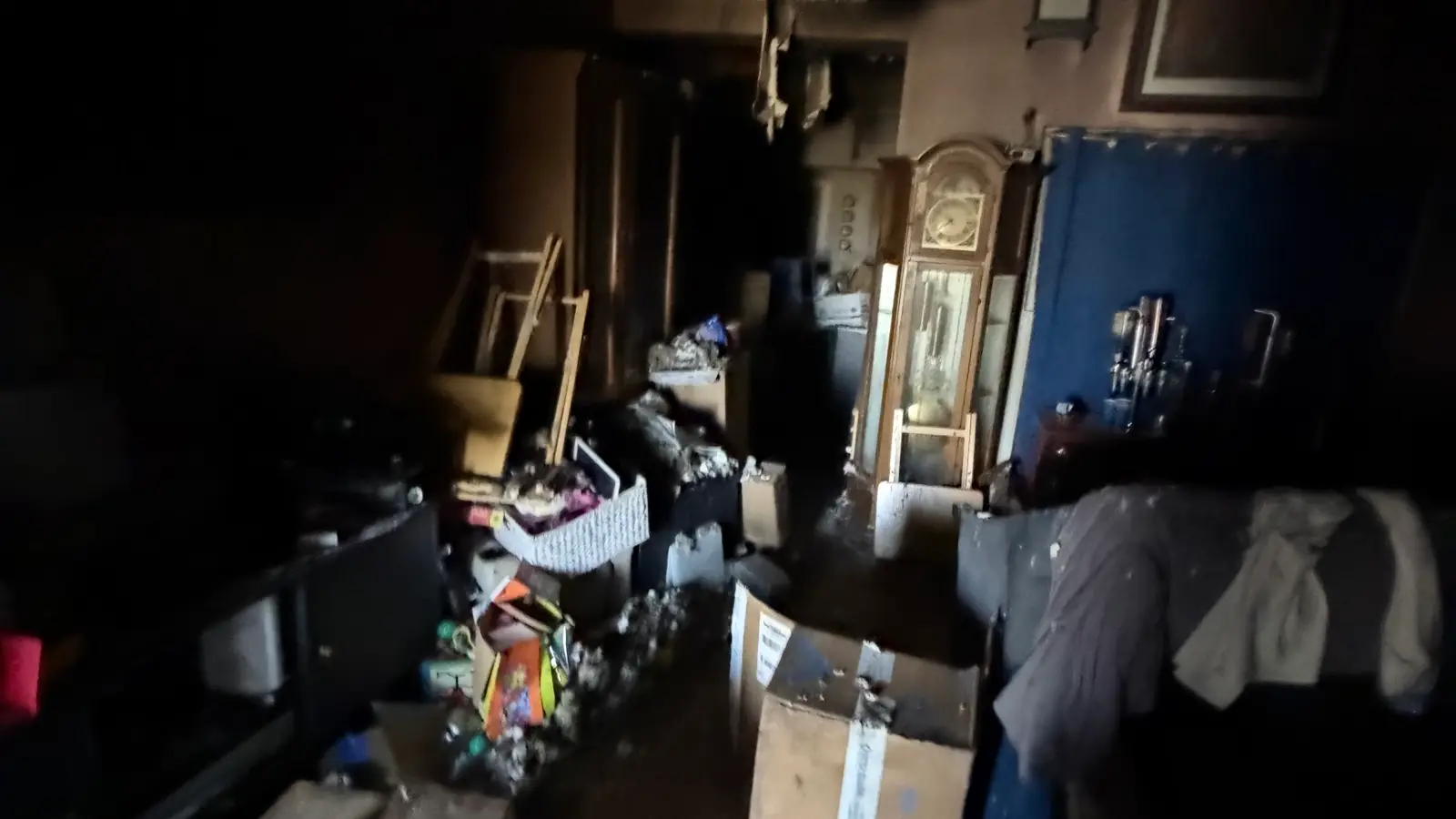
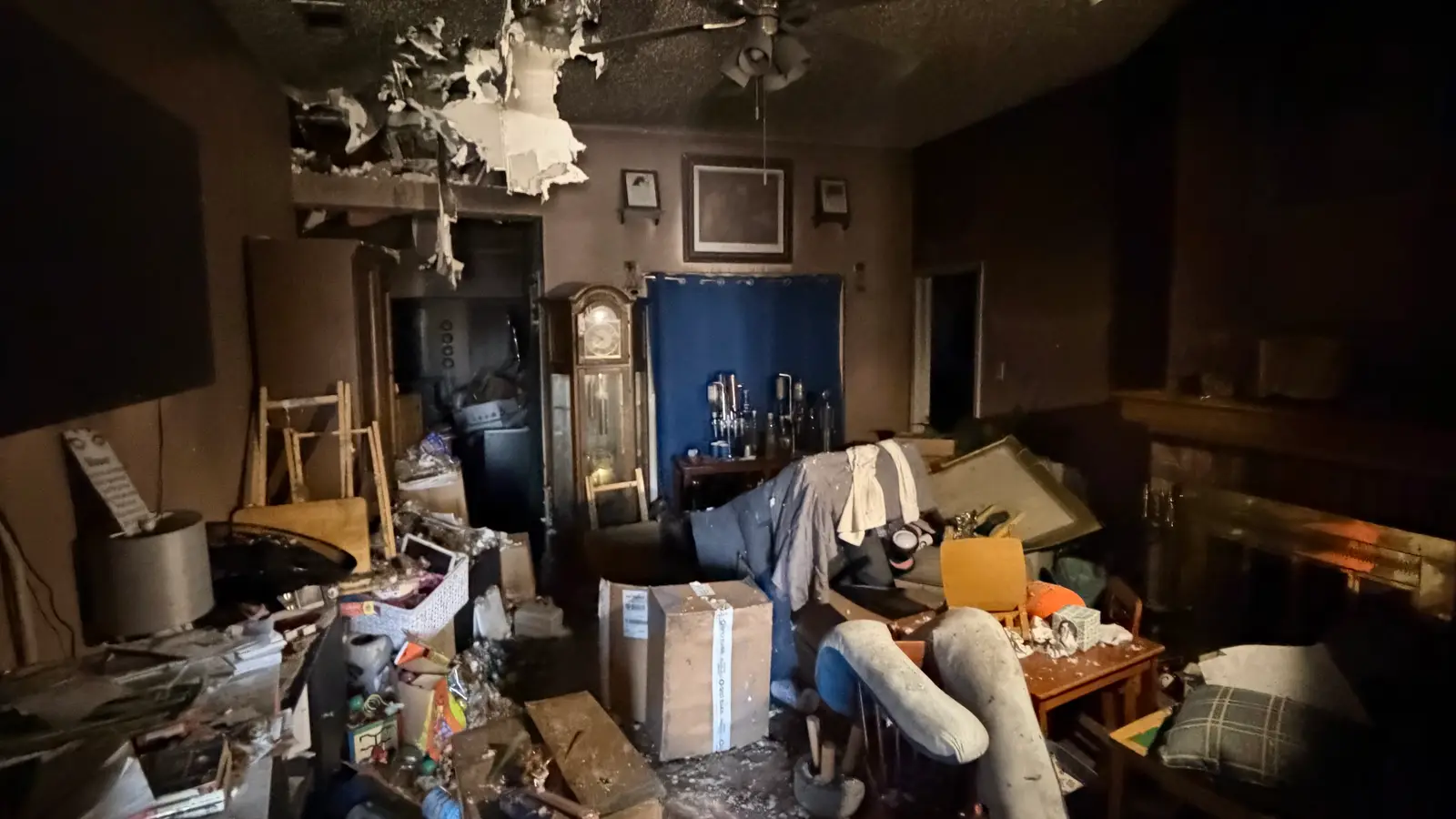
Even a fire that stayed in one corner leaves more behind than it looks like. Soot settles on walls and ceilings far from the heater, and the smell works into upholstery, carpet and clothes. That cleanup is our line of work. Texas Damage Response is veteran-owned and operated, available 24/7, and handles fire damage restoration from soot cleanup through smoke odor removal. We help document the damage and work with your insurance carrier throughout the restoration process; your carrier decides what the policy covers.
Keep the 3 feet, switch it off at bedtime, and get the chimney swept this fall. If smoke or soot has already reached your rooms, request fire damage restoration and we'll take it from there.