Fire and Smoke
Fire damage restoration cost: what cleanup costs and what to do first after a house fire
Fire damage restoration cost explained: the national averages, what moves the price and what to do first after a house fire, from Texas Damage Response.
By Ricky Ballard8 min read
Fire damage restoration cost is usually figured by the square foot. Fixr's national cost guide, updated in January 2025, puts the work at this rate (Industry average: $4–$6.50 per sq ft), and that covers burnt material removal, water damage restoration and soot cleanup.
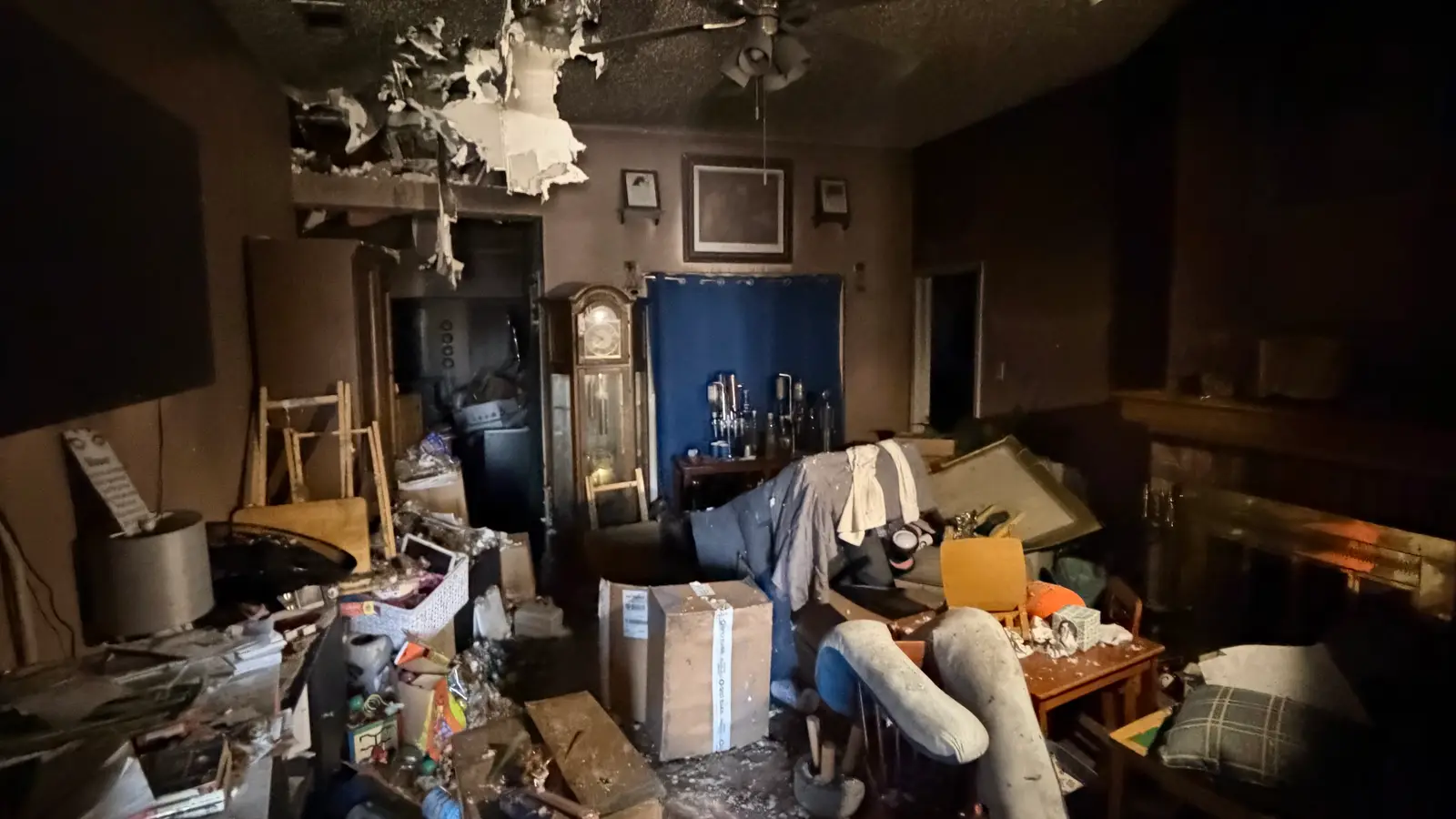
That's the national picture. Your own bill will follow its own logic, and a surprising amount of it gets decided before anyone measures a wall. It happens in the first days after the fire, when photos get taken (or don't), damaged things get kept or tossed, and the water from the fire hoses either comes out fast or sits. That's where this guide starts. The money comes right after.
The first days after a house fire
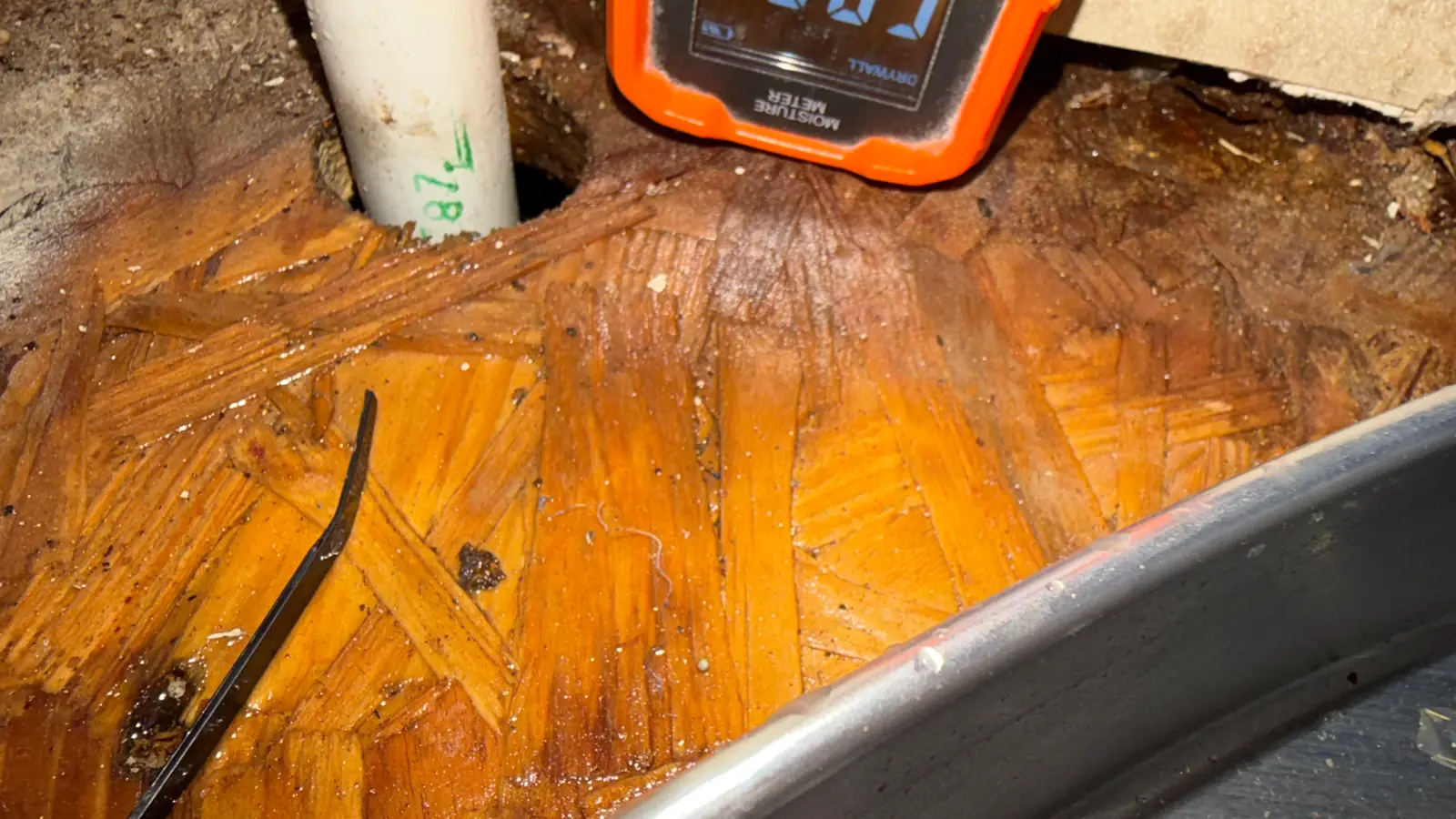
Nobody thinks about cost on the night of a fire, and nobody should. Still, the days right after it quietly set up the bill. The Texas Department of Insurance (TDI) explains in its claim guide that an adjuster might visit in person or look at pictures of the damage to estimate repair costs, so the photos you take early become part of the record. An adjuster can inspect the damaged things you keep. Nobody can inspect what's already in a dumpster. And the water used to put the fire out starts a clock of its own: the EPA says to dry water-damaged areas and items within 24 to 48 hours to prevent mold growth.
The steps below come from the U.S. Fire Administration (USFA) and TDI, in roughly the order you'll need them.
- Wait for the all-clear. The USFA's After the Fire guide says not to enter your home unless the fire department says it's safe, and to be careful even then, because floors and walls may not be as safe as they look.
- Leave the utilities alone. Firefighters make sure the water, electricity and gas are safe or have them turned off, and USFA says not to turn them back on yourself.
- Write down the report details. The same guide has blanks for the fire incident report number and the fire marshal or investigator. Our post on getting a fire report covers the request.
- Call your insurance company and ask the two questions USFA suggests: what you should do to keep your home safe until it's repaired, and who you should talk to about cleaning it up.
- Photograph before anything moves. TDI's wildfire claim tips say to take pictures or video of the damage and to keep a list of everyone you talk to at your insurance company.
- Keep the ruined stuff. "Don't throw anything away until your insurance company tells you to," TDI says. A scorched couch is evidence.
- Start a receipt folder. USFA notes that your insurance company may need your receipts later, and you'll need them to prove losses claimed on your tax return.
- Tell your landlord or lender, and let the police know the house will be empty. Both are on the USFA checklist.
Fire damage restoration cost: what the averages cover
Fixr publishes two national figures for fire cleanup, and the table below puts each one next to what Fixr says it includes, because a range means little until you know what it pays for.
| Work | National range | What Fixr says it covers |
|---|---|---|
| Fire damage restoration | Industry average: $4–$6.50 per sq ft | Burnt material removal, water damage restoration and soot cleanup |
| Professional smoke removal | Industry average: $200–$1,200 per home | Room cleanup, odor removal and deodorizing for a house |
Both are national figures, not local ones, and they aren't our prices. They also leave a lot out. Fixr lists rebuilding and structural repairs as separate costs, and this guide sticks to cleanup. Belongings that won't come clean need replacing, and that's a claim question, not a cleanup price, while moving your things out of the way with a contents pack-out and storage isn't part of Fixr's per-square-foot figure at all. Smoke your main problem? Our guide to smoke odor removal cost goes deeper on that one line. One more number worth knowing: the USFA's residential fire estimates show residential building fires fell 6% from 2014 to 2023, while the inflation-adjusted dollar loss rose 25%. Fewer fires, bigger bills.
What moves the price up or down
Fixr says fire cleanup prices vary with the extent of the damage, the areas affected and the work required. Five things do most of the moving.
| Factor | Why it changes the number |
|---|---|
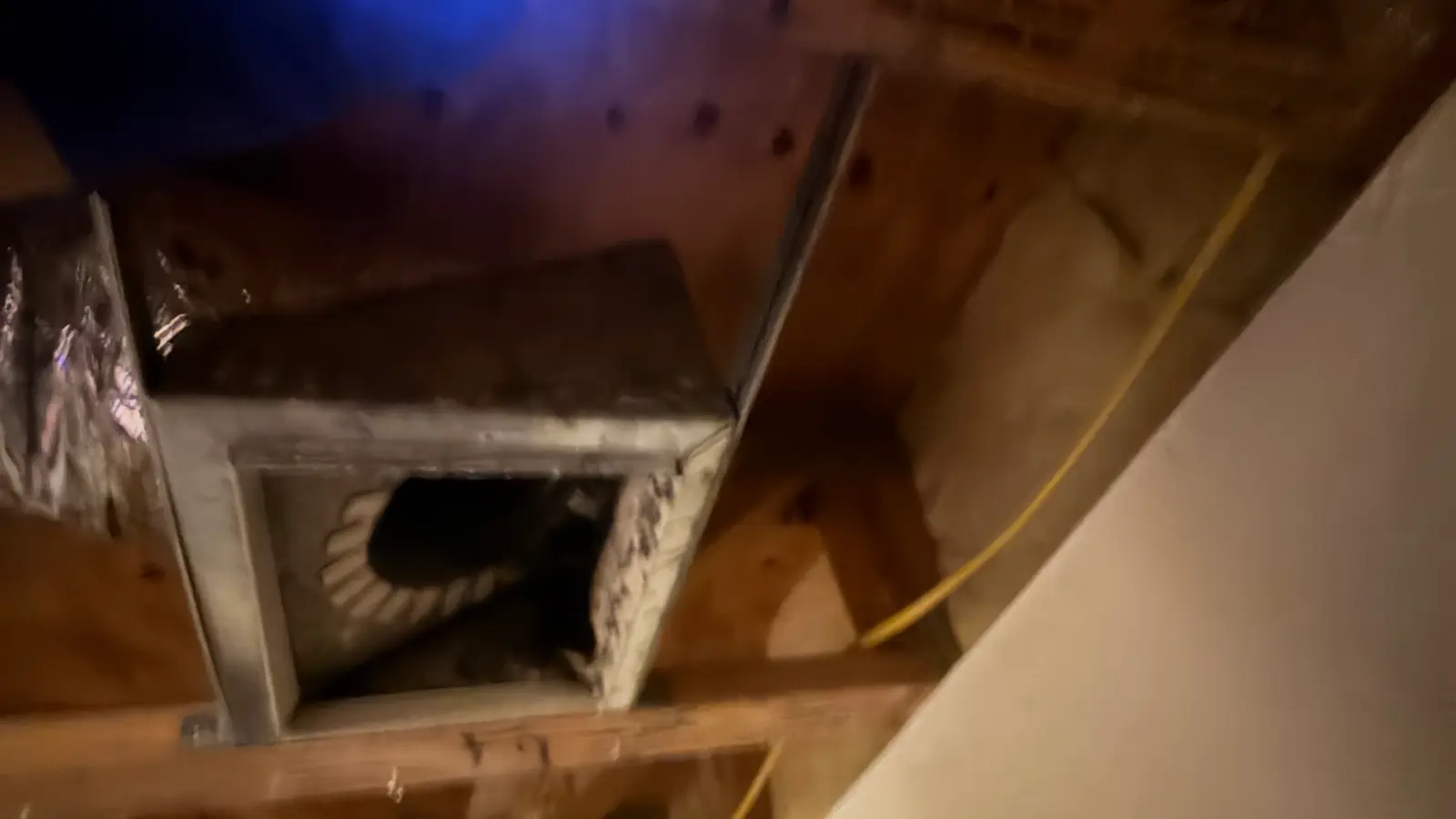
| How far the smoke went | A per-square-foot rate counts every room that needs cleaning, and the USFA notes that smoke damage can reach things the fire itself never touched. |
| What burned | Fixr says oily soot, the kind grease fires leave, costs more to clean up than dry soot. |
| Water from the fire hoses | Soaked floors and walls add extraction and drying, and wet materials left past the EPA's 24 to 48 hour window risk mold. |
| Porous things that hold the smell | Texas A&M AgriLife Extension says that once smoke odor gets into carpets, draperies and furnishings, there may be little to do about it unless they're removed or replaced. |
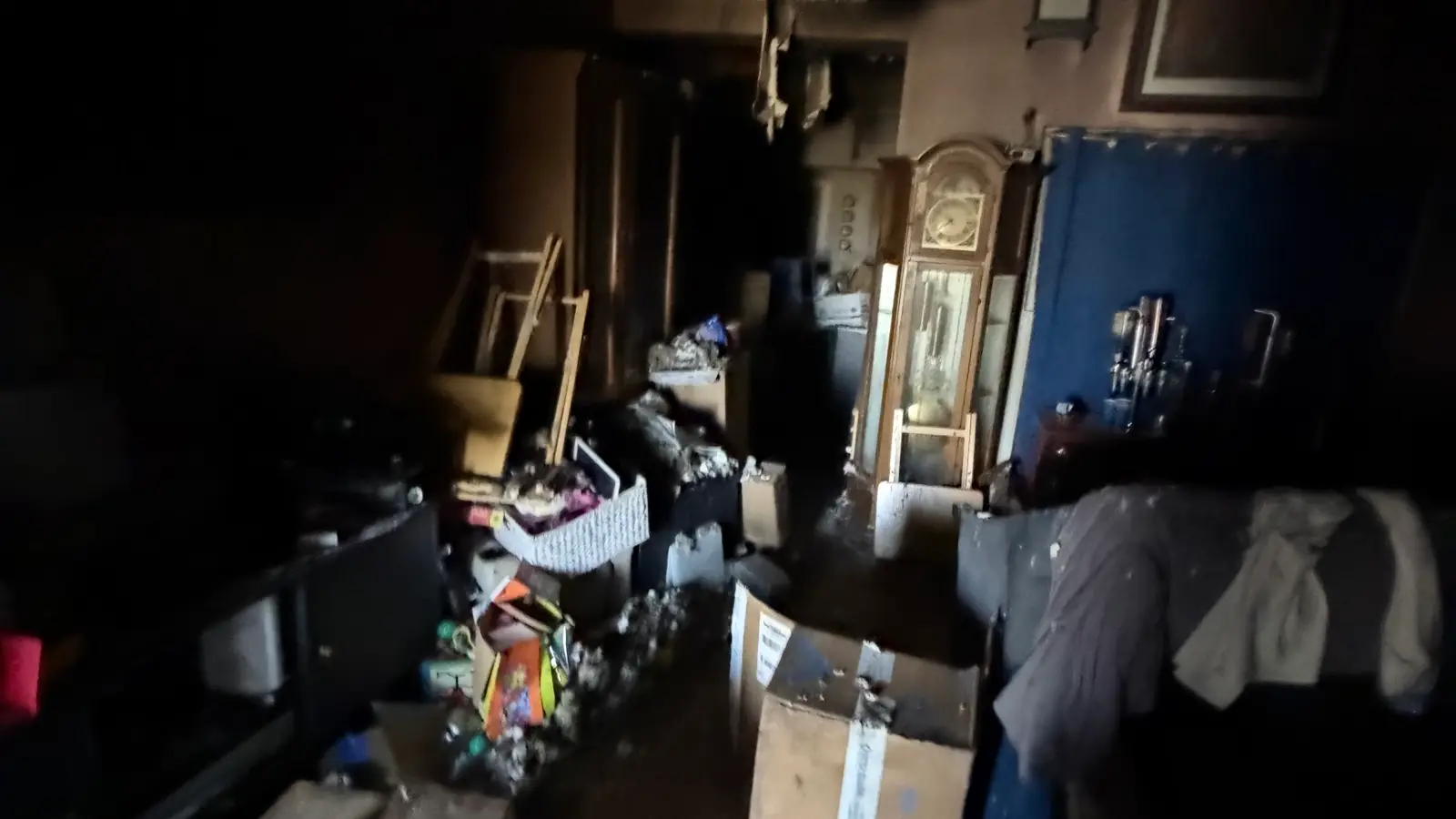
| Belongings in the way | A pack-out adds packing, inventory, storage and return, and storage runs as long as the work does. |
If we had to pick the factor people underestimate, it's the first one. A kitchen fire that never left the stove can still put a gray film on a bedroom ceiling down the hall, and every one of those rooms goes into the square footage. The water is a close second. A day of waiting can change that part of the job, because drying a wet wall is different work from cutting out a moldy one. Texas A&M's guide to removing smoke smell makes the point about porous items plainly, and our smoke odor removal page explains the residue behind the smell.
Who pays: your policy and your deductible
In general terms, TDI's wildfire coverage explainer says homeowners insurance pays to repair or replace a home damaged or destroyed by fire, up to the policy limits, and that smoke damage is typically covered too. The deductible is still yours. TDI's fire and smoke FAQ adds two details that touch the cleanup bill. Most policies cover the cost of necessary temporary repairs that protect your property from further damage, so save those receipts. Most also provide some coverage for expenses and damage to covered property you remove to keep it from more damage. Does your policy treat a pack-out that way? That's a question for your adjuster, and only your adjuster can answer it for your claim.
Our role has limits. You own the claim, and the deductible is yours, while your carrier and its adjuster decide what's covered. Texas Damage Response helps document the damage and works with your insurance carrier throughout the restoration process, but we don't adjust claims or interpret policies, and we never touch the deductible: no waivers, no rebates and no absorbing it. TDI's wildfire claim tips are blunt about it: a contractor who pays or rebates a homeowner's deductible is breaking Texas law. Our insurance claims page and our guide to fire damage insurance claims in Texas go further.
How to read a fire cleanup estimate
The USFA keeps its advice short: make sure you know whether you or your insurance company will pay for the cleaning, and ask for a cost estimate in writing. Good advice. But a written estimate only helps if you can read it, and fire cleanup estimates tend to be long, technical and full of line items that sound alike. When one lands on your kitchen table (or your hotel desk), check it against the list below before you sign anything. None of it requires knowing restoration, just asking.
- Measured rooms, not a lump sum. Fixr notes that restoration companies are likely to ask for the square footage before giving an estimate, so the estimate should show which rooms it covers, smoke-only rooms included.
- Separate lines for soot and smoke cleanup, odor work, water extraction and drying, and debris removal. Lumped work is hard to compare.
- What's left out. Repairs and replacing belongings aren't cleanup, so find out where they show up.
- Nothing about your deductible except that it's yours. TDI's guidance for contractors says state law requires certain contracts that involve an insurance settlement to include a notice that the deductible is the policyholder's to pay.
- No blanks, and no paying in full up front. TDI's wildfire claim tips list both under avoiding fraud, along with checking references and phone numbers.
- A second bid, if you want one. TDI's claim guide suggests estimates from more than one contractor. Then talk to your insurance company about anything that differs from the adjuster's estimate.
Getting a number for your own house
A national average can't see your house. It doesn't know the smoke reached the back bedroom, that the hall carpet sat wet overnight, or that the closet full of clothes has to come out before anyone can clean. That's why your fire damage restoration cost only gets real once someone walks through the rooms. Texas Damage Response is veteran-owned and operated, based in San Antonio and available 24/7 for fire damage restoration: cleanup of fire, smoke, soot and odor damage, the water used to put the fire out, and contents pack-out when belongings are in the way. When you're ready for a real number, request service. Wondering about the schedule too? Our guide to how long fire damage restoration takes covers that next.