Fire and Smoke
Smoke odor removal cost: what professional deodorizing usually costs
Smoke odor removal cost depends on how far smoke spread, what it soaked into and the soot it left. Texas Damage Response breaks down the national average.
By Ricky Ballard7 min read
Smoke odor removal cost starts with one national number. Fixr's fire damage restoration cost guide, updated January 31, 2025, gives a whole-house figure for professional smoke removal, which it describes as room cleanup, odor removal and deodorizing (Industry average: $200–$1,200 per home). Where a house lands inside that range depends on how far the smoke traveled, what it soaked into and how much soot came with it.
Treat that figure as a yardstick. It's a national industry average, not an estimate for your home and not our price. Still, once you know what sits inside it and what doesn't, it tells you whether the number someone hands you looks normal or deserves a second look.
What the national figure covers, and what it leaves out
Fixr's smoke removal line covers three jobs: cleaning the rooms the smoke reached, removing the odor and deodorizing. The guide is firm about the order, too. According to Fixr, smoke needs removal from every surface before any other repairs, and the affected rooms then need cleaning and deodorizing on top of that. Other fire cleanup costs sit outside that line. Fixr prices soot removal on its own, and it sets oily soot above dry soot. It also gives a per-square-foot rate for fire damage restoration, a bigger job that takes in burnt material removal, water damage restoration and soot cleanup. Our fire damage restoration cost guide covers that larger job. Fixr's guide lines the pieces up this way:
| Line item | What it includes | Fixr's figure |
|---|---|---|
| Professional smoke removal | Room cleanup, odor removal and deodorizing | Industry average: $200–$1,200 per home |
| Fire damage restoration | Burnt material removal, water damage restoration and soot cleanup, priced by area | Industry average: $4–$6.50 per sq ft |
| Soot removal | Ash and soot on surfaces; oily soot costs more than dry soot | Priced on its own line |
| Thermal fogging or ozone treatment | Deodorizing treatments | Priced per floor |
Fixr's smoke line also says nothing about moving your belongings. If furniture, clothes and boxes have to leave the house while the cleaning happens, that's contents pack-out and storage, separate work that comes with its own inventory. Ask whether an estimate counts it.
What pushes smoke odor removal cost up or down
Two homes with the same floor plan can land far apart. Fixr names the main drivers, and the federal and state cleanup guides explain why each one matters.
How far the smoke traveled
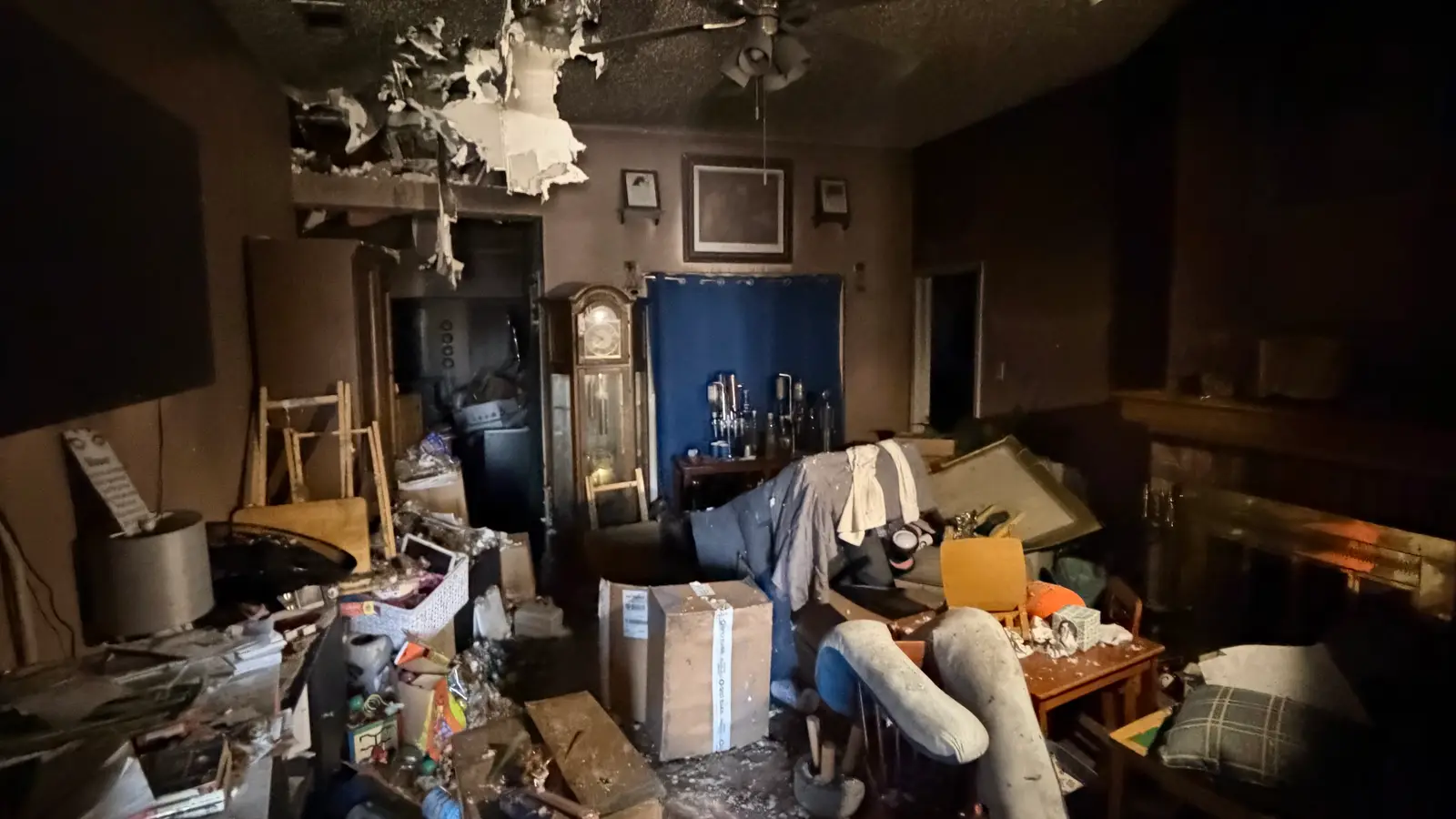
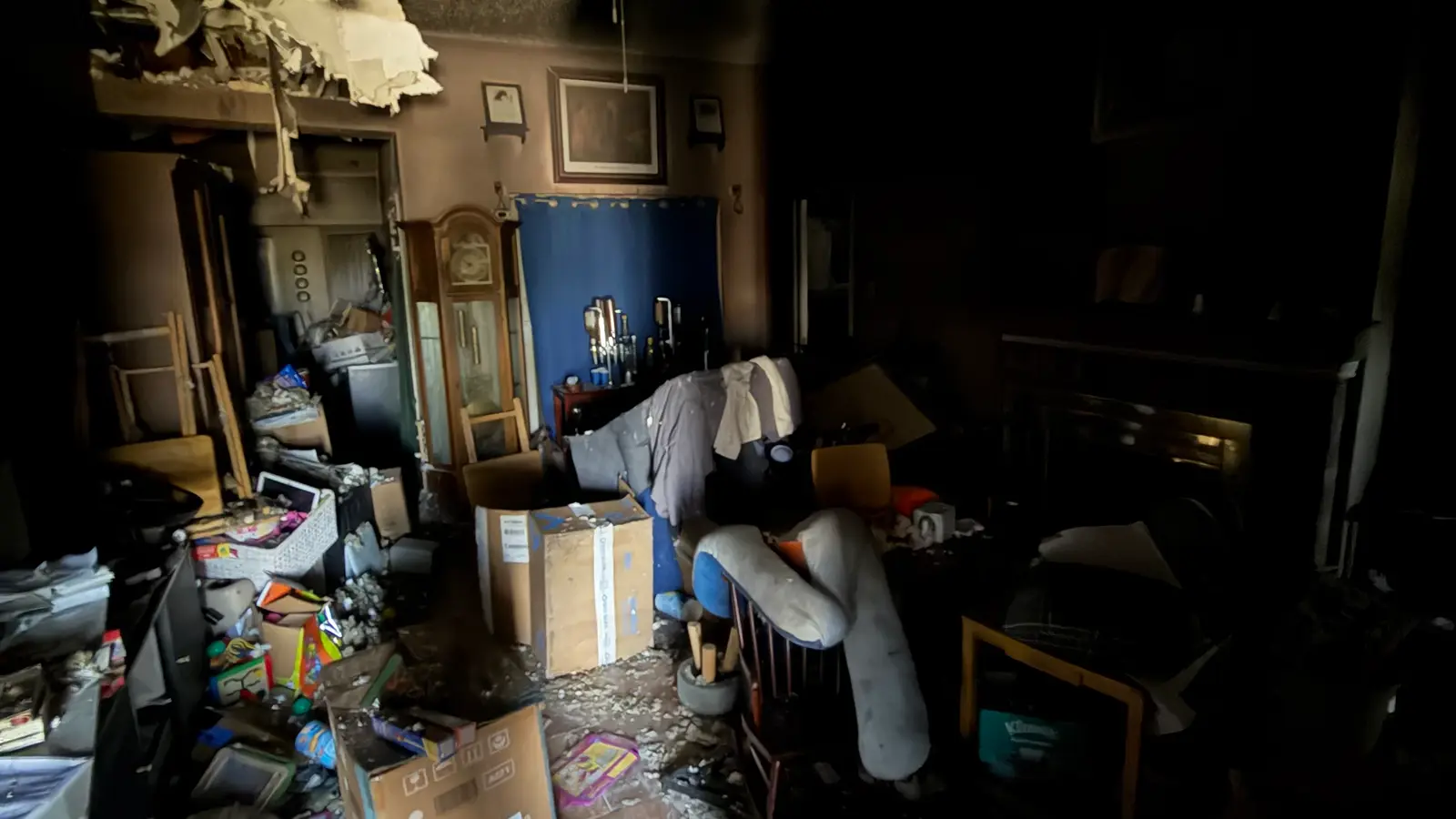
Fixr notes that fire restoration companies are likely to ask for a home's square footage before they give an estimate. For smoke, the number that matters is the area the smoke reached, and it's often far bigger than the area that burned. The U.S. Fire Administration's After the Fire guide warns that smoke can still ruin things the fire never touched. A pan fire that scorched one cabinet can leave a film on the hallway ceiling and a smell in a back bedroom. The bill follows the smoke, not the flames. Walk the house with whoever writes the estimate, closets and all, and make sure the rooms on paper match the rooms that smell.
What the smoke soaked into
Fixr says your home's construction materials, along with its contents, affect the overall cleanup cost. Porous materials are the reason. Texas A&M AgriLife Extension's guide, How to Remove Smoke Smell from a Home, says that once smoke odor has soaked into carpets, draperies and furnishings, there may be little anyone can do about it unless you remove or replace those items.
That changes the math. Sealed, hard surfaces clean up. A smoke-soaked sofa might cost more to treat than it's worth, and that call belongs to you and your adjuster. Before anything goes to the curb, remember the Texas Department of Insurance's claim tips: don't throw anything away until your insurance company tells you to.
What burned, and how much soot it left
According to Fixr, complex fires produce large amounts of soot and smoke, and oily soot costs more to clean than dry soot. Unusual hazards raise the number too. The guide's example is asbestos, which it says may push costs to the higher end of its averages. Fixr describes soot removal as getting rid of the ash a fire leaves behind, and that ash isn't harmless dust. A wildfire smoke factsheet from the CDC, the EPA and other agencies, Protect Yourself from Ash, says ash from burned structures is generally more hazardous than forest ash. If you suspect hazardous waste such as asbestos, it says to contact your local hazardous waste authorities about disposal.
Whether the air system needs work
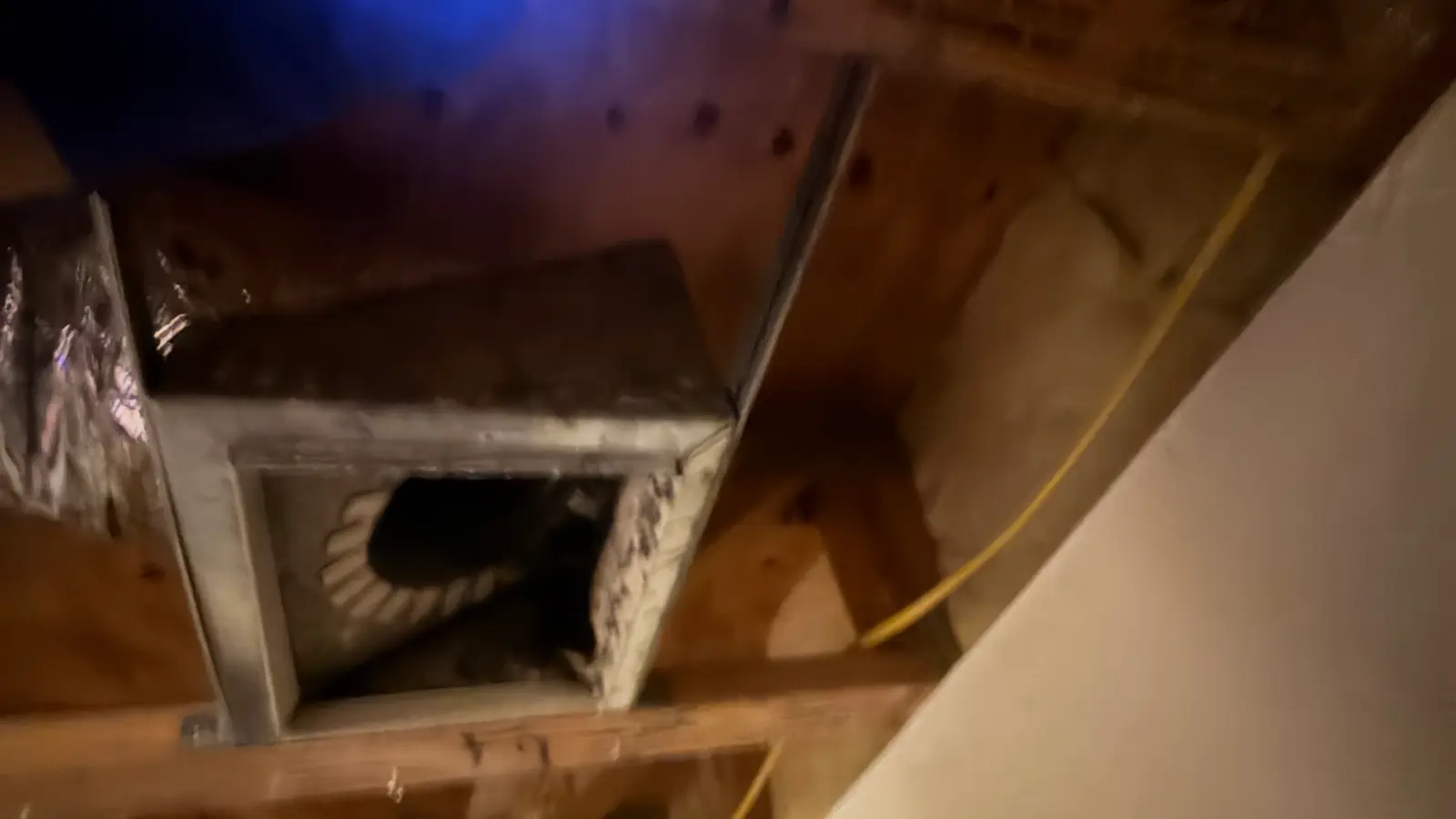
The Texas A&M guide treats the heating and air-conditioning system as part of the job. Its cleaning steps call for having the units and all ductwork professionally cleaned to remove soot, ash and smoke residue, and for changing filters when you first return home and at least once a month for the first year. Fixr counts air duct cleaning as part of soot work. Ask whether an estimate includes the ducts or leaves them out, because that one line can swing the total. A year of monthly filter changes is a small cost on its own, but it belongs in your budget, and on your calendar.
The cheap fixes, and what they really cost
Plenty of smoke smell advice costs next to nothing. The Texas A&M guide lists home remedies: wiping furniture, washable walls and floors with white vinegar, setting out bowls of vinegar, baking soda or powdered activated charcoal, and adding a cup of vinegar to the wash for smoky clothes. For a faint smell after a small kitchen flare-up, that may be all you need.
But the same guide warns that scented candles and perfumed aerosols most often only mask the odor for a while, and that ventilation only dilutes it. Covering the smell feels like progress. It isn't. When the odor comes back, you pay for the real cleanup anyway, on top of whatever the candles and sprays cost, and that's why the most expensive smoke job is the one done twice.
Renting an ozone generator sits in its own category. Texas A&M mentions it as an option and says using one requires a temporary evacuation of the home. The EPA is blunter. Its page on ozone generators sold as air cleaners says no agency of the federal government has approved these devices for use in occupied spaces, and that ozone isn't effective at removing a long list of odor-causing chemicals. Read our post on ozone generators for smoke smell before you spend money on one, and our guide on how to remove smoke smell from a house if you plan to try the cleanup yourself.
Insurance and who pays for the cleaning
Before you compare prices, find out who's paying. The U.S. Fire Administration's After the Fire guide tells homeowners to contact their insurance company right away, to make sure they know whether they or the insurer will pay for the cleaning, and to ask the cleaning company for a cost estimate in writing.
On coverage in general, the Texas Department of Insurance's home insurance guide lists the sudden and accidental release of water or smoke among the damages most policies cover, and it adds that coverages vary by company. Your policy and your carrier decide what your claim pays. The deductible stays yours. TDI's claim tips tell homeowners to avoid contractors who offer to waive it, and they say it's illegal for contractors to waive your deductible or help you avoid paying it.
We help document the damage and work with your insurance carrier throughout the restoration process. Coverage calls aren't ours. Your carrier and its adjuster make them, and we don't interpret policies. For the longer version, with TDI's payout rules and claim deadlines, read does homeowners insurance cover smoke damage? Our insurance claims page shows where we fit.
How to get a real number for your home
A web page can't price your house. A walk-through can. When you collect estimates, put the same questions to each company so the numbers compare:
- Which rooms does it cover? The hallway and bedrooms the smoke reached belong on it, not only the room that burned.
- Soot: included or not, and is it oily or dry?
- Which materials get cleaned, and which ones does the estimate expect you to replace?
- The air ducts: in or out?
- Belongings that need a pack-out.
Then get every answer in writing, as the USFA guide advises. The only smoke odor removal cost that matters is the one for your house. Texas Damage Response provides cleanup for fire, smoke, soot and odor damage, and we're veteran-owned and operated, available 24/7 and serving homes across San Antonio and nearby towns such as New Braunfels. Start with our page on smoke odor removal after a fire, see the full fire damage restoration scope, or request service and we'll walk through your home with you.