Insurance and Claims
Does homeowners insurance cover water damage? What TDI says
Does homeowners insurance cover water damage? TDI says most policies cover sudden leaks, not slow ones or floods. Texas Damage Response explains the details.
By Ricky Ballard8 min read
Does homeowners insurance cover water damage? Usually it does when the water shows up suddenly and by accident, like a burst pipe or a broken washer hose, and usually it doesn't when the damage built up from a slow leak or came in with a flood. That's the general rule from the Texas Department of Insurance (TDI), and your own policy and your insurance carrier decide how it applies to your house.
The coverage answers below come from TDI's published guidance. We like it that way. When a ceiling is dripping, the last thing you need is a confident guess about your coverage that turns out to be wrong.
Sudden and accidental: the phrase behind most water claims
"Most homeowner and renters policies cover sudden and accidental water damage," TDI writes on its water damage and mold page. Its examples are a burst pipe, a toilet overflow and a broken washer hose. Each one is an event. Something failed, and the water went where it shouldn't, all at once.
Gradual damage sits on the other side of the line. "Policies usually won't cover damage from gradual leaks," the same page says, and TDI's home insurance guide lists a continuous water leak among the damages most policies don't cover, next to flooding and wear and tear. Picture a supply line that dripped behind the vanity for a year. Which side of the line your own leak falls on is the adjuster's call, not ours.
Mold follows the water. TDI counts mold that grows on an item damaged in a sudden leak, but not mold from gradual leaks or seepage. TDI's tips add that most home policies leave out mold cleanup and testing after a damaged item comes out, though your insurer may let you add cleanup coverage for a covered loss.
Covered or not covered: TDI's answers in one table
The table below shows how TDI describes the situations people ask about most. Read it as a map of the usual answers, not a ruling on your policy.
| Situation | TDI's general answer | Where TDI says it |
|---|---|---|
| A pipe bursts, a toilet overflows or a washer hose breaks | Most homeowner and renters policies cover sudden and accidental water damage | Water damage and mold tips |
| A slow leak or seepage over weeks or months | Usually not covered | Water damage and mold tips |
| Mold on an item damaged in a sudden leak | Covered | TDI blog, January 29, 2026 |
| Mold cleanup and testing after the damaged item comes out | Most home policies don't include it; your insurer may let you add coverage | Water damage and mold tips |
| Frozen pipes you took no steps to protect | A home or renters policy might not pay | Winter freeze tips |
| Damage while the house sits vacant longer than your policy allows | Most policies don't cover it | Home insurance guide |
| Flooding | Home policies don't cover floods; you'd need a separate flood policy | Water damage and mold tips |
| Water that backs up through sewers or drains | A common add-on (endorsement); all-risk policies usually don't cover sewer backups | Home insurance guide and policy types page |
See the pattern? Sudden events land on the covered side. Slow conditions and floods don't, and the freeze and vacancy rows turn on how you looked after the house before the water showed up. Two policy details can move a row, too. A named perils policy may cover less than this table suggests, and an endorsement can add coverage the base policy leaves out.
One sentence in TDI's own guide outranks every row above: "Coverages vary by company." Its advice is to read your policy or talk to your agent to be sure of your exact coverages.
Burst pipes and frozen pipes: two conditions to know
A burst pipe is TDI's first example of sudden and accidental damage. Its winter weather page says the coverage for sudden and accidental water damage "pays for damage from burst pipes," and it suggests asking your agent whether your home or renters policy includes it. Simple enough. Freezes add two conditions, though, and both come straight from TDI.
- Protecting the pipes. Home and renters policies "might not pay for damages caused by frozen pipes" if you didn't take steps to protect them, TDI warns. Its example is keeping the heater on in your house.
- An empty house. The home insurance guide puts losses that happen while a house sits vacant for the number of days your policy specifies on its list of things most policies don't cover. It adds that most companies stop your coverage if the house is vacant for 60 days or more, so talk to your company before a long absence.
Why the flood policy won't help
People sometimes expect a flood policy to step in after a freeze. It won't, not for this. TDI says flood insurance "doesn't pay for damage caused by burst pipes." A burst pipe is a home-policy question, and rising water is a flood-policy question.
TDI's freeze advice doubles as claim protection. If your pipes freeze, turn off the water at the shutoff valve, which keeps broken pipes from leaking into the house after they thaw. A licensed plumber repairs the pipe itself. The water it leaves behind is a drying job, and our page on burst pipe water damage cleanup walks through it.
How to check your own policy, and why asking is safe
TDI ends its blog post on water damage with a tip worth taping inside a kitchen cabinet: "You can always check what's covered by reading your policy or calling your agent." This order makes the reading faster.
- Start with the declarations page, the first page of the policy. TDI's guide says it summarizes your coverages, dollar limits and deductibles.
- Figure out which kind of policy you have. An all-risk policy covers any event it doesn't specifically exclude, while a named perils policy covers only the events it lists, TDI explains on its policy types page.
- Exclusions next, then add-ons. TDI names backup of sewers or drains, damage to foundations or slabs, and mold removal among the common endorsements.
- The deductible's form. It can be a set dollar amount or a percentage, and TDI's deductibles page says a home policy applies it to each claim.
- Whatever's still unclear goes to your agent. Asking won't raise your premium: TDI's premium page says companies can't charge you more for calling to ask questions about your policy or the claims process.
Before you file: timing, deductibles and claim history
Timing comes first. TDI says to tell your company as soon as possible, and you usually must report water damage that was hidden from view within days after you first see it. Its home guide adds that most companies have deadlines for filing a claim, and some policies have a one-year deadline unless you can show good cause for the delay.
Then do the deductible math. TDI's premium page suggests finding out your deductible and getting repair estimates before you file. If the repairs cost about the same as your deductible or less, it says, you may decide a claim isn't worth filing. That decision belongs to you.
Claim history rules worth knowing
Claim history is the part people rarely hear about until it bites. Under TDI's guidance:
- Home insurers can raise your premium for most claims, but not for claims they didn't pay. That includes a denial because your policy doesn't cover the damage.
- Appliance-related water damage claims get special treatment. If an inspector has checked and certified the repairs, a home company can't charge you more for them unless you have three or more claims in three years.
- A company may refuse to renew after three or more nonweather-related claims in three years, though TDI's guide says the first two appliance-related water damage claims don't count if you fixed the damage and it passed inspection by a qualified inspector.
Most insurers also check your claims history through a report called CLUE, TDI says, so a claim with one company can follow you to the next one. None of this means you shouldn't file. It means you decide with the rules in view.
Where a restoration company fits in a water claim
Whatever your policy says, the water still has to come out. TDI's blog warns that your insurer may deny your claim if you don't protect your property, and the EPA advises drying water-damaged areas and items within 24 to 48 hours to prevent mold growth. Waiting on a coverage answer before anyone starts drying can make both the damage and the claim worse.
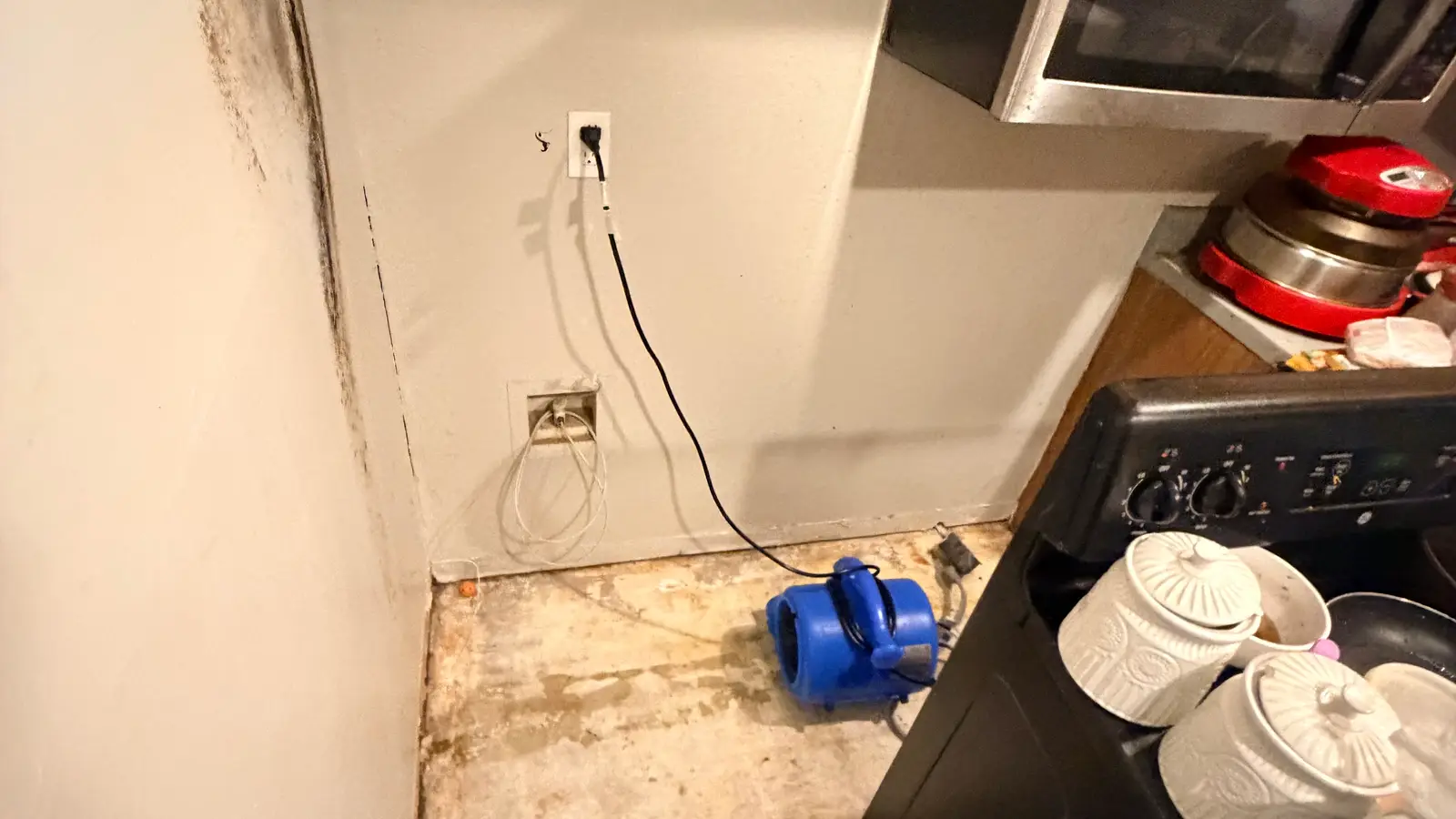
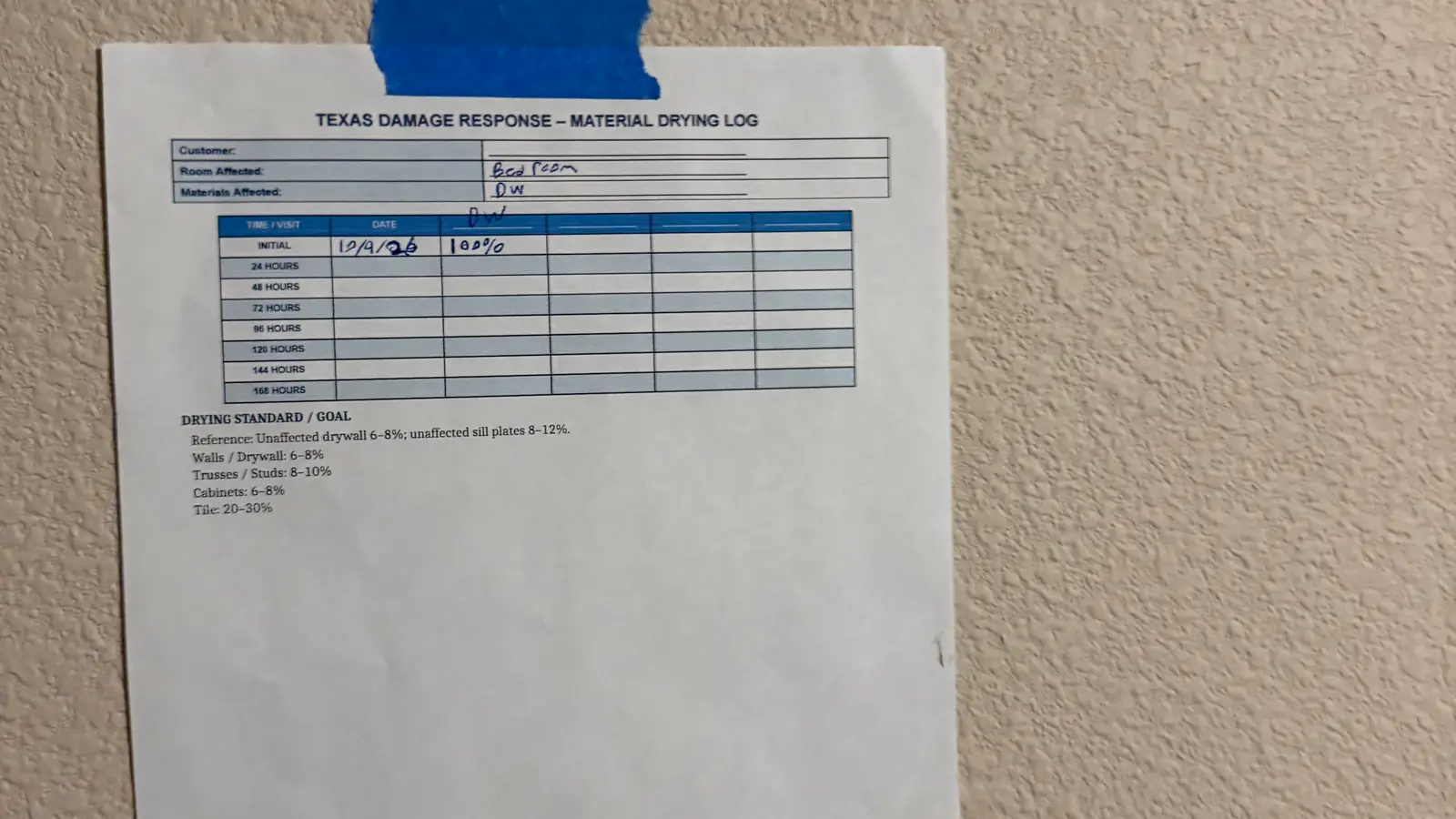
Texas Damage Response handles the water side through water damage restoration: emergency water extraction, structural drying and moisture monitoring. We help document the damage and work with your insurance carrier throughout the restoration process. We aren't adjusters, though, and we won't tell you what your policy means: your carrier decides coverage, and the deductible stays yours.
Our page on water damage insurance claims covers our part. Our guides on how a homeowners deductible works, documenting water damage for insurance and water damage versus flood damage go deeper. Water in your house right now? Call us 24/7 or request service online.