Restoration Process
How to choose a restoration company after water or fire damage: questions to ask
How to choose a restoration company: Texas Damage Response's checklist of questions to ask, what to get in writing and the Texas rules on deductibles.
By Ricky Ballard8 min read
Knowing how to choose a restoration company comes down to asking questions whose answers you can check: what happens on the first visit, what goes in writing, how the crew decides the house is dry, and how the company treats your insurance claim without taking it over. Texas law settles part of it for you. The Texas Department of Insurance (TDI) says a contractor can't act as a public insurance adjuster on a claim if it's also doing the work, and that it's illegal for a contractor to offer to waive, rebate or absorb a policyholder's deductible.
You don't need to understand drying equipment to size up a company. Listen to how it talks about the first visit, the paperwork and your claim, because that's where a careful company and a careless one sound different. The checklist below works for a burst pipe, an overflowing washer or a kitchen fire. Every rule links to its source.
You're making two decisions, not one
Most advice on how to choose a restoration company skips this part. After water or fire damage you usually choose twice: first the company that stops the damage tonight, then the company (often the same one) that runs the drying, the tear-out decisions and the belongings in the days that follow. The first choice can't wait long. TDI's water damage tips say to stop the water flow or leak as soon as you can and to dry the area as soon as you can, and its blog warns that your insurer may deny your claim if you don't protect your property. A short phone screen is enough for that first visit. The second choice gives you time to read before you sign, which is where the written questions further down earn their place.
Repairs, if the house needs them, are a separate decision that comes after everything is dry. For that kind of work, TDI's contractor tips suggest getting at least three bids, and they point out that your insurance adjuster can give you an idea of what the repair should cost.
And the choice really is yours. A 2017 TDI bulletin to insurers says people insured under a homeowners or dwelling policy get to have their home repaired by the person of their choice. If your insurance company suggests a name, you can weigh it like any other.
What to ask on the first call
Keep it short. You're listening for a company that asks about your situation before it talks about itself.
| Ask | A good sign | A reason to keep calling |
|---|---|---|
| Can someone come out now? | Phones answered 24/7, nights and weekends included | An exact arrival time quoted before they know where you live |
| What should I do before you get there? | Safety first: the power, then the water source | Nothing about safety at all |
| What do you need to know about the water? | Questions about where it came from and how long it sat | No questions, just a price |
| Where are you based? | A straight answer | A dodge |
The safety answer matters most. If water has reached outlets, cords or appliances, the CDC says to turn off the power at the main breaker or fuse, but never by stepping into standing water to reach the panel; call an electrician to shut it off instead. The water questions matter too. The industry standard, the ANSI/IICRC S500, sorts water by contamination, and our guide to the categories of water damage shows why a supply line and a toilet backflow are different jobs. As for the base, that question comes straight from TDI's scam warnings, which open by noting that out-of-town scam artists may be the first to arrive at your front door after a disaster. Its advice starts with hiring local contractors.
Get these in writing before the work starts
Once the emergency is under control, slow down. TDI's contractor tips are blunt about paperwork: read every document carefully before you sign, and don't sign a contract with blank spaces, because shady contractors fill them in later with higher costs or different work. TDI also warns that scammers try to get a signature by calling a contract an estimate or a release. Before you sign anything, ask for these.
- A written scope that says what gets extracted, dried, removed or packed out, room by room.
- A contract with every line filled in. TDI says not to sign one that reads "Homeowner agrees to the listed repairs for the value of insurance proceeds," because that clause gives the contractor every penny of your insurance payment.
- Payment terms you can live with. Be wary, TDI says, if a contractor asks for a large or full down payment.
- The deductible notice. TDI's guidance for contractors says a contract that involves an insurance settlement and reaches a set dollar amount must carry a notice that the deductible is the policyholder's responsibility.
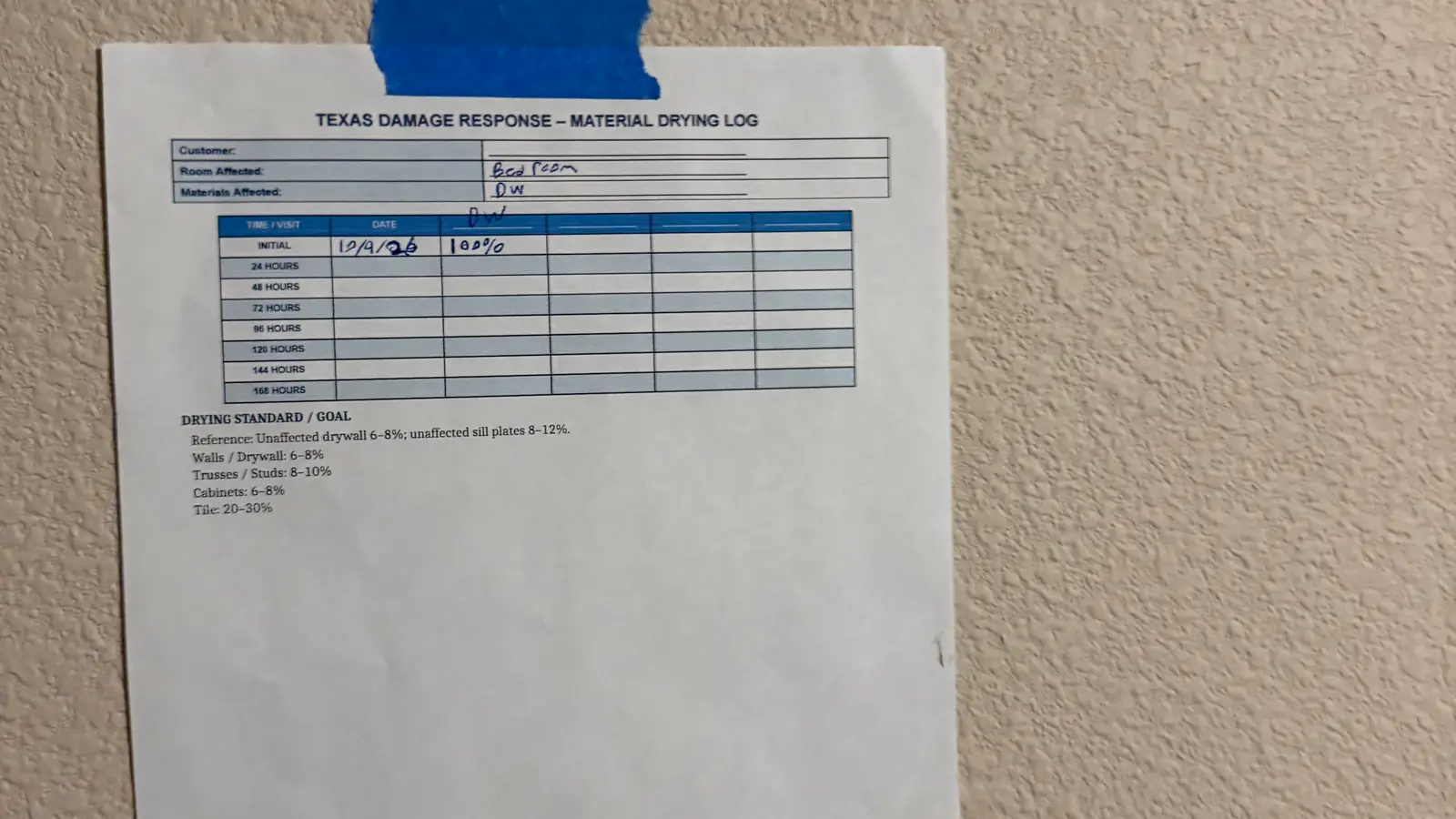
- The record itself: photos taken before anything moves, moisture readings from the first visit on, and an inventory if belongings leave the house.
That last item is the one people forget to ask about, and it's the one their adjuster will want.
Insurance answers that should end the conversation
Some answers tell you everything you need to know. If a company offers to negotiate your claim settlement or to file the claim for you, keep looking. TDI's guidance for contractors lists those exact offers as examples of saying or implying that a contractor will act as both contractor and adjuster on a project, and Texas doesn't allow a contractor to act as a public insurance adjuster on a claim if it's also doing the work. TDI's page on public adjusters puts the same rule from the other side: public adjusters who work on your claim can't act as your contractor, and contractors can't advertise that they'll handle your insurance claim.
"Don't worry about the deductible" is the other giveaway. TDI's contractor tips say it's against the law for a contractor to offer to waive an insurance deductible or work the deductible amount into a bid. Its deductible page adds that a contractor who says that might be sending false information to your insurance company about the cost of repairs, and that would be fraud. Your insurer can also ask for proof that you paid your deductible before it pays the full amount of your claim.
So what does a good answer sound like? Something close to this: we'll document the damage and work with your carrier, your carrier decides what's covered, and the claim and the deductible stay yours. That's the whole speech. TDI defines a deductible as the amount you have to pay before the insurance company will pay, and no honest contractor can change that. Our insurance claims page explains where we fit in your carrier's process, and our post on restoration contractor red flags covers the scams that follow disasters.
Questions about drying, tear-out and smoke
These questions test judgment. The answers show whether a company explains its decisions or just makes them.
Start with what gets removed, and why. Some wet materials can dry in place and some can't, and the EPA's water damage table, written for clean water caught within 24 to 48 hours, draws the line material by material. Drywall can dry in place if there's no obvious swelling and the seams are intact. Wet ceiling tiles and insulation? The same table says to discard and replace them. A company should be able to explain each removal in terms like those, and it shouldn't haul anything to the curb before your adjuster has had a look, because TDI's tips say not to throw away any damaged items until your adjuster has seen them.
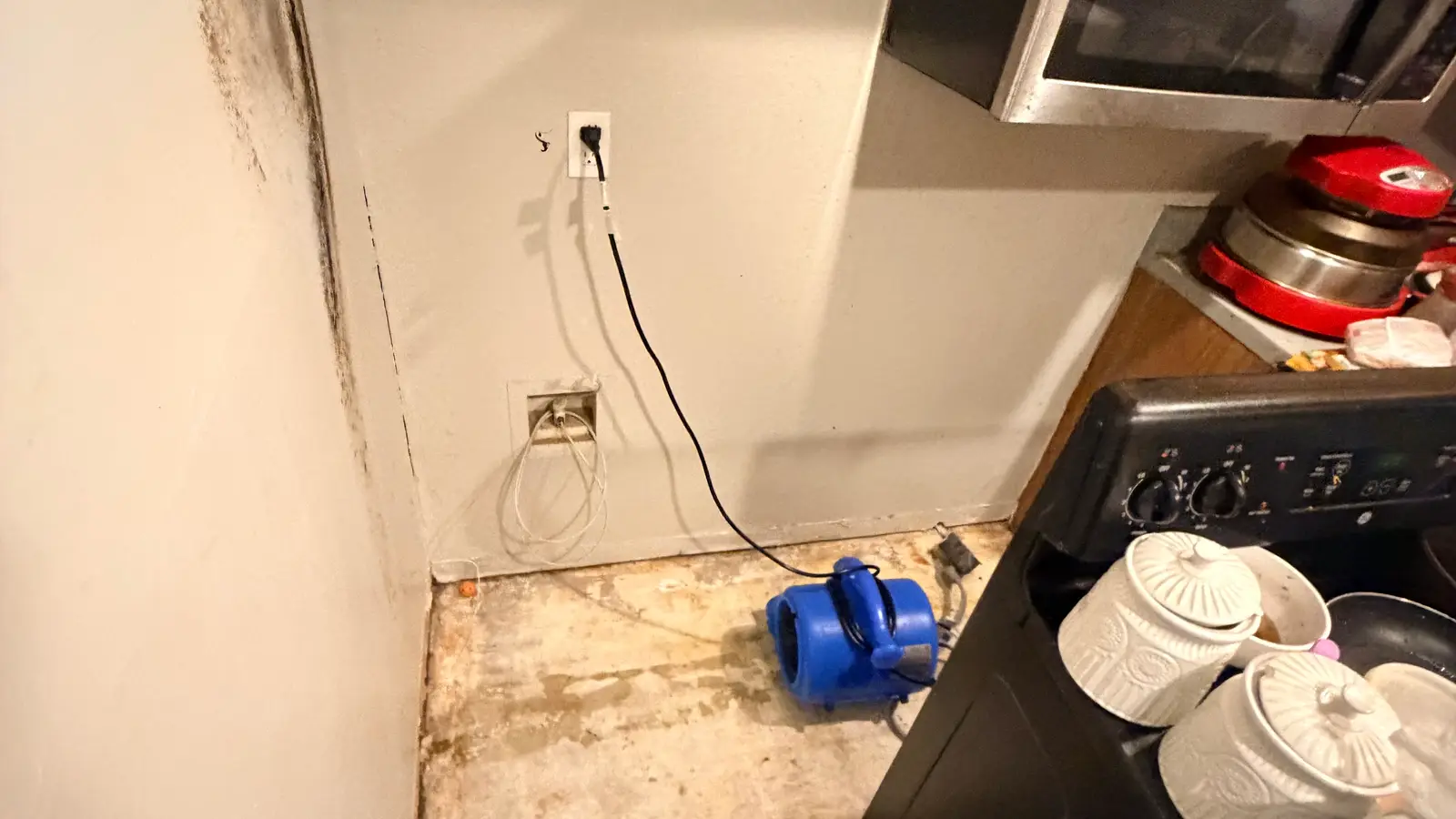
Then ask how they'll know the house is dry. You want moisture readings measured against a dry standard, not "it feels dry" and not a set number of days. Our post on how to know when water damage is really dry walks through the numbers. Ask, too, who fixes the cause. A restoration company handles the water; a licensed plumber repairs a broken pipe.
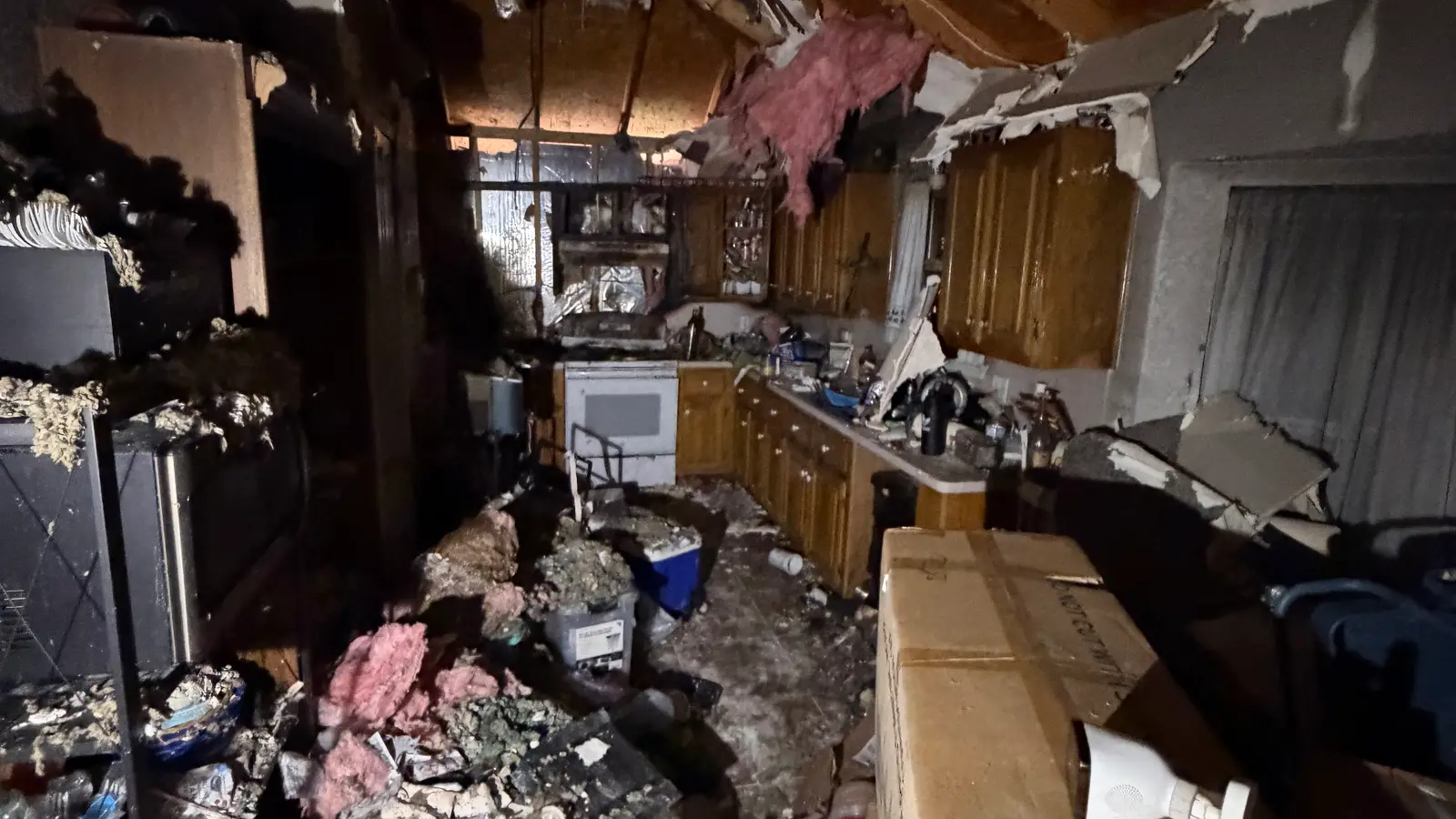
After a fire, add one more question: will anything run while we're home? If a company mentions an ozone generator for smoke odor, ask when it would run and who has to be out. The EPA says no agency of the federal government has approved these devices for use in occupied spaces. When someone treats an empty space with high ozone levels (its example is fire restoration), the agency wants conditions controlled well enough that no person or pet becomes exposed. Our post on ozone generators for smoke smell covers the rest, and what fire restoration companies do explains the cleanup itself.
Put the same questions to us
We'd rather you did. Asking every company the same questions is how to choose a restoration company on the merits, ours included. Before you call, you can read about our veteran-owned and operated company, based in San Antonio. Texas Damage Response handles water damage restoration, mold remediation, fire and smoke cleanup and contents pack-out, with 24/7 emergency restoration for the nights it can't wait. We help document the damage and work with your insurance carrier throughout the restoration process. Coverage is your carrier's call, and the claim and the deductible stay yours, which is exactly how it should be.
Still not sure a restoration company is the right first call? Read our guide on who to call for water damage. Otherwise, call us 24/7 with the first-call questions above, or request service and ask the rest in writing.