Water Damage
How much does water damage restoration cost? Industry averages and what drives the price
Water damage restoration cost turns on the kind of water, how many square feet got wet and how long it sat. See national averages and what moves the price.
By Ricky Ballard8 min read
For a whole job, the national water damage restoration cost guide from Today's Homeowner gives the range most homeowners spend: Industry average: $1,300–$6,000 per project. Where your home lands in that range comes down to three things: the kind of water, how much of the house it soaked and how long it sat before anyone pulled it out.
That range is wide for a reason. A supply line that sprays a laundry room until someone closes the valve and a water heater that leaks all weekend into hallway carpet, drywall and cabinets both count as water damage. They don't cost anywhere near the same to clean up and dry. What helps more than the average is knowing which end of the range your house sits on, and why, because the reasons point straight at what you can still control.
One ground rule before the numbers. Every figure below is a national industry average from a published cost guide. None of them is our price. Neither guide breaks out San Antonio figures, either, so treat them as a yardstick, not a quote.
Six national figures in one table
Two cost guides cover most of a water job. Today's Homeowner, updated September 3, 2025, says its figures come from the RSMeans construction database and from restoration contractors, while Fixr, updated January 31, 2025, says it draws on pricing databases, licensed contractors and industry experts.
| Item | National figure | Source |
|---|---|---|
| A whole restoration job | Industry average: $1,300–$6,000 per project | Today's Homeowner, 2025 |
| Restoration per square foot, clean or gray water | Industry average: $3–$7 per sq ft | Today's Homeowner, 2025 |
| Clean water (Category 1) cleanup | Industry average: $3–$4 per sq ft | Today's Homeowner, 2025 |
| Gray water (Category 2) cleanup | Industry average: $4–$7 per sq ft | Today's Homeowner, 2025 |
| Black water (Category 3), shown for comparison | Industry average: $7 per sq ft and up | Today's Homeowner, 2025 |
| Water extraction on its own | Industry average: $3.75–$7.50 per sq ft | Fixr, 2025 |
Read the per-square-foot rows against the wet area, not the size of the house. A big home with one soaked bedroom gets priced on the bedroom. Watch the category rows climb, too. Contaminated water takes more care to handle, and the black water figure is only a floor: Today's Homeowner gives a starting point with no ceiling. Need the emergency phase priced on its own? Our water mitigation cost guide breaks out extraction, drying and moisture monitoring, the three pieces of the job that can't wait.
What makes one water job cost more than another
Both guides name much the same list of things that drive water damage restoration cost. Each one shows up in a real house like this.
The kind of water
The ANSI/IICRC S500, the industry's standard for water damage restoration, sorts water into three categories by contamination. In the standard's terms, as Restoration & Remediation magazine summarizes them, Category 1 comes from a sanitary source like a broken supply line, Category 2 carries significant contamination, and Category 3 is grossly contaminated. The cleanup changes with each step up. The EPA's water damage guidelines assume clean water. Once sewage or chemical or biological pollutants might be in the mix, OSHA rules call for protective equipment and containment, the EPA notes. Our guide to the categories of water damage covers each one in detail.
Square footage and the materials underneath
Square footage is the obvious driver. What the water soaked into matters just as much. Fixr points out that some floors can dry out in place while others have to come out entirely. Replacing a material means paying to remove it and paying for the new one, so that difference adds up fast. The S500 also rates each loss by class, based on how much surface got wet and how porous the wet materials are (Cleanfax explains the terms). Today's Homeowner lists four classes that increase in severity and treats the class as a cost factor. Carpet over a concrete slab is one problem. Water inside a wall cavity full of insulation is a much bigger one.
The hours before anyone noticed
Time adds to the bill three ways, and the first is the obvious one. Fixr notes that how long the water sat before anyone removed it affects your cost per square foot, since water keeps soaking deeper the longer it stays. Mold is the second risk: the EPA says to dry water-damaged areas and items within 24 to 48 hours to prevent mold growth. The third is quieter. Under the S500, time and temperature can change the water's category, so a clean leak left sitting in a warm house can drift into a pricier bracket.
Mold, belongings and call-out fees
Some costs ride along with the water. Fixr calls mold remediation "the most costly repair type," and Today's Homeowner lists mold removal as its own line, so a leak that sat long enough to grow mold can turn into a mold remediation job as well. If a room needs emptying, contents pack-out adds packing, an inventory, transport and storage. Emergency charges are the last wrinkle. Fixr says minimum call-out charges are common because water damage can count as an emergency. Fair enough. But ask any company you call how it bills a night or weekend visit before the work starts.
A burst pipe, priced piece by piece
A burst pipe makes a good worked example, because part of its bill isn't a restoration cost at all.
- The pipe itself. A licensed plumber repairs it, at the plumber's price. The industry standard draws the same line: the S500 assumes that finding and correcting the source of the water is the property owner's responsibility, not the restorer's.
- Getting the water out. Fixr's national range for extraction alone: Industry average: $3.75–$7.50 per sq ft. Water volume, equipment and the size of the wet area move it within that range.
- The cleanup as a whole. A broken supply line is a Category 1 example in the S500, so the closer yardstick for the full cleanup is Today's Homeowner's clean water row: Industry average: $3–$4 per sq ft. The two guides slice the job differently, so don't add their figures together.
- Anything electrical. If water reached wiring, Fixr says an electrician has to handle those repairs before the rest of the work goes on.
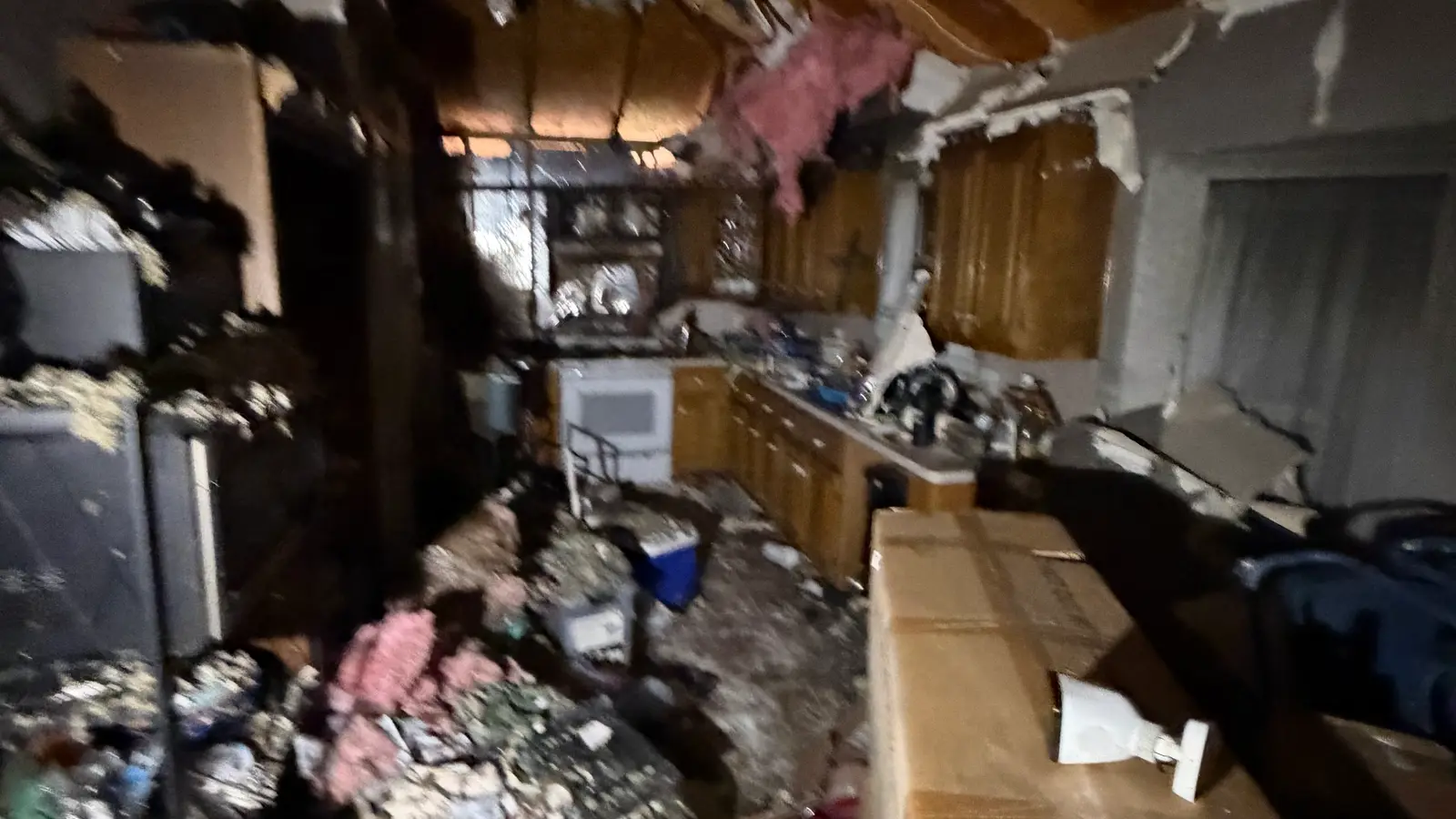
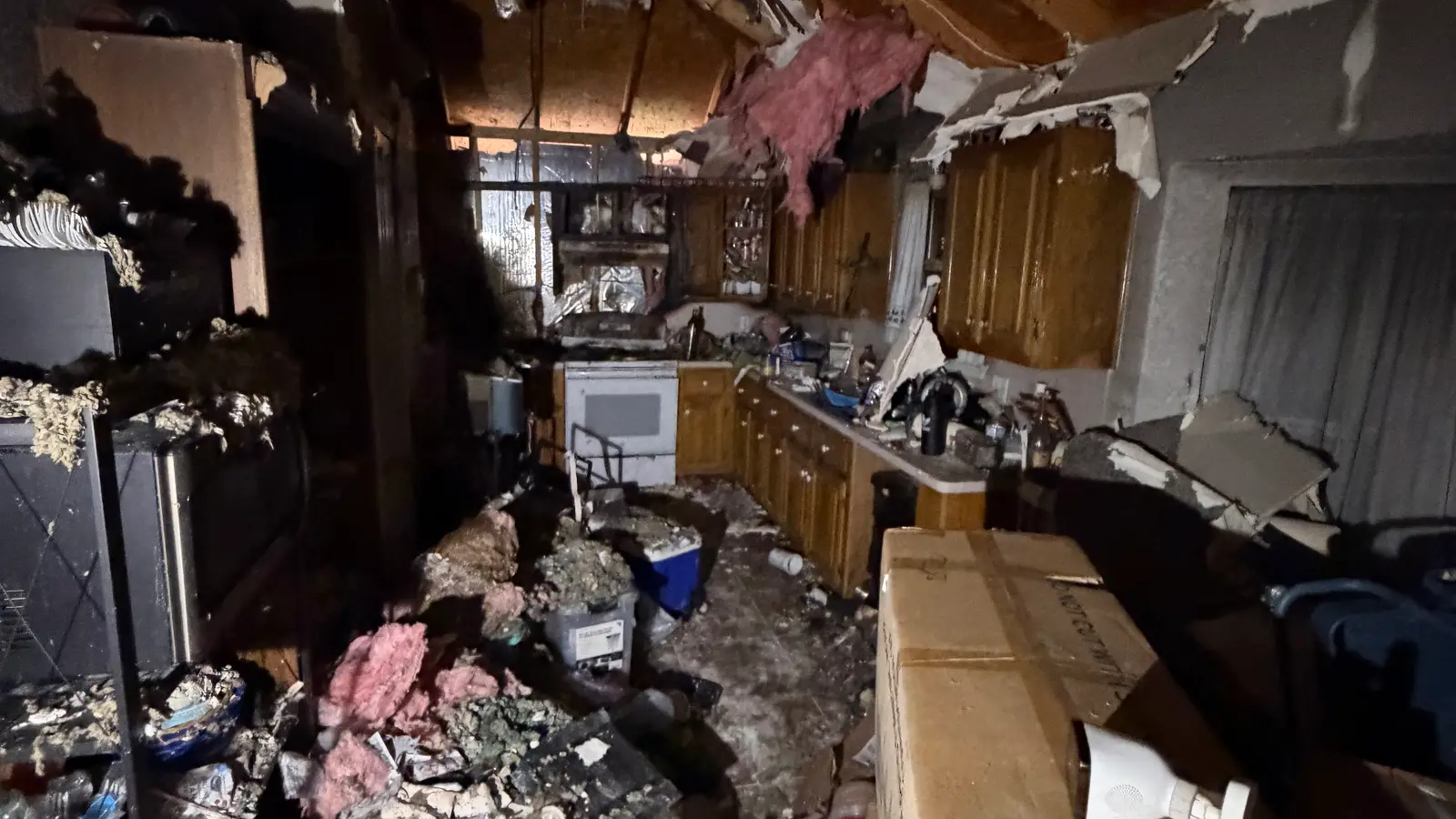
What turns a small burst pipe into an expensive one? Hidden time. A pipe that splits inside a wall or above a ceiling can run for hours before anyone notices, and by then the water has spread through drywall, insulation and the floor below. Our page on burst pipe water damage covers what to do in that first hour.
Where insurance fits into the bill
Insurance doesn't change the water damage restoration cost itself. It changes who pays for which part. The Texas Department of Insurance (TDI) says most homeowner and renters policies cover sudden and accidental water damage, while policies usually won't cover damage from gradual leaks. Frozen pipes carry a catch. TDI's winter safety tips warn that home and renters policies might not pay for frozen-pipe damage if you didn't take steps to protect your pipes, such as keeping the heat on.
Then there's the deductible. TDI defines it as "the amount you have to pay before the insurance company will pay," and on a home policy it applies to each claim. That part stays yours. TDI also says it's illegal for a contractor to waive it or offer a rebate in its amount. Your carrier and its adjuster decide what your policy covers, and coverage questions go to your policy, your agent or TDI. Our part? We help with documenting the damage for your insurance carrier, and we work with that carrier throughout the restoration process. Want the coverage side in more depth? Our post on whether homeowners insurance covers water damage walks through it.
How to keep the number down
The surest way to hold down water damage restoration cost is to keep the water from spreading. Four habits do most of the work. Three come straight from TDI.
- Shut the water off at the main if you have a sudden leak, then move expensive items off the floor, as TDI's water damage blog post advises.
- Take pictures or video before any repairs. TDI's tips page recommends it.
- Hold on to receipts for any materials you buy to make repairs, since TDI tells policyholders to keep them.
- Don't wait to see if it dries on its own. The EPA's 24 to 48 hour window for drying keeps running while you wait.
Then read the estimate. A good one names the wet area, the water category and which materials the crew plans to dry in place and which it plans to remove. Today's Homeowner advises getting at least two quotes before you hire a restoration company. That's sound advice for planned work. On the first night, with water still spreading, speed matters more than shopping around.
From a national average to your own number
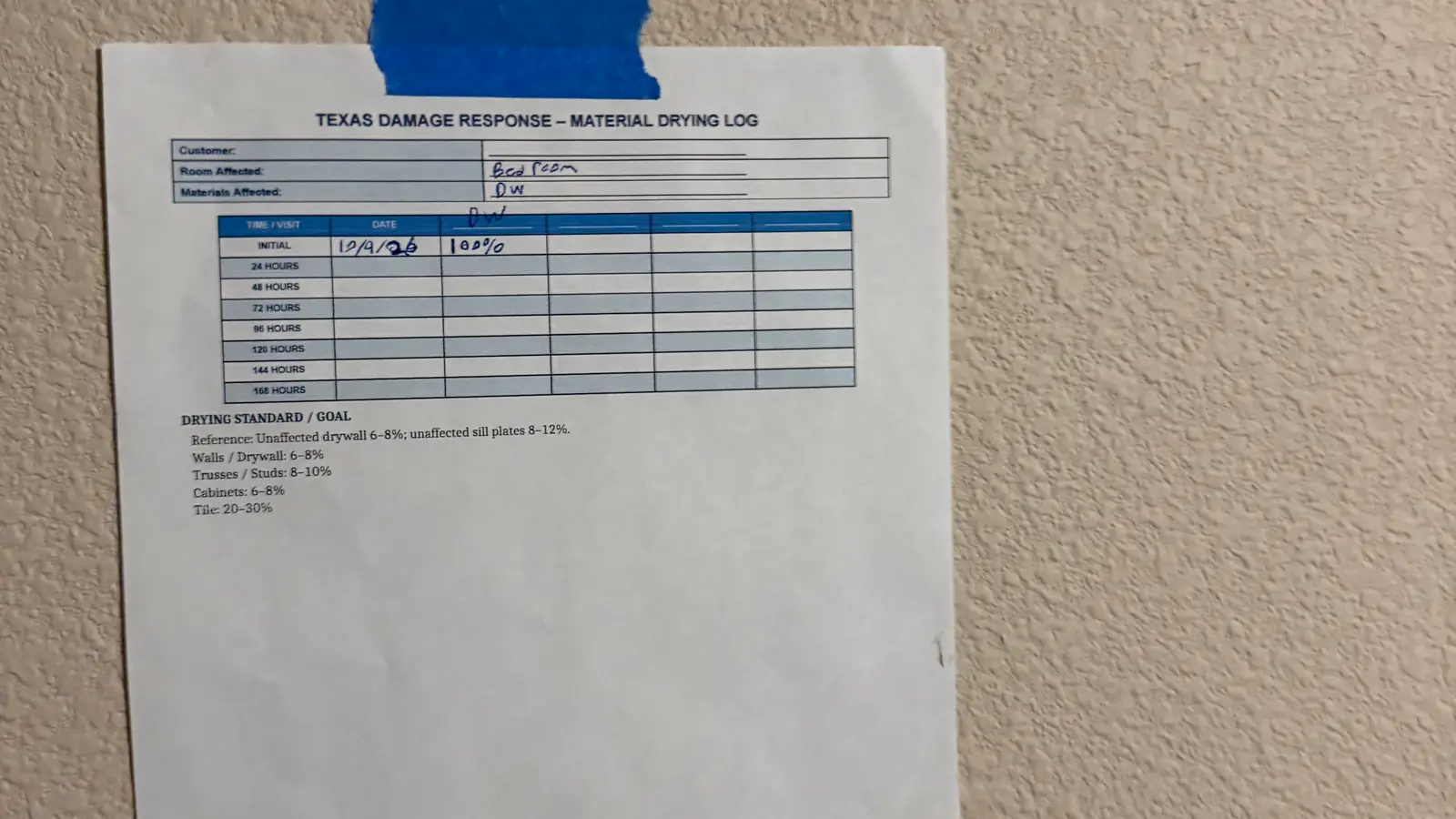
National averages tell you whether a quote is in the normal range. They can't tell you what your house needs. Nobody can price a water job well without seeing where the water went, which is why the honest first step is a walk-through with moisture readings to show how far it spread, what category it is and what can dry in place.
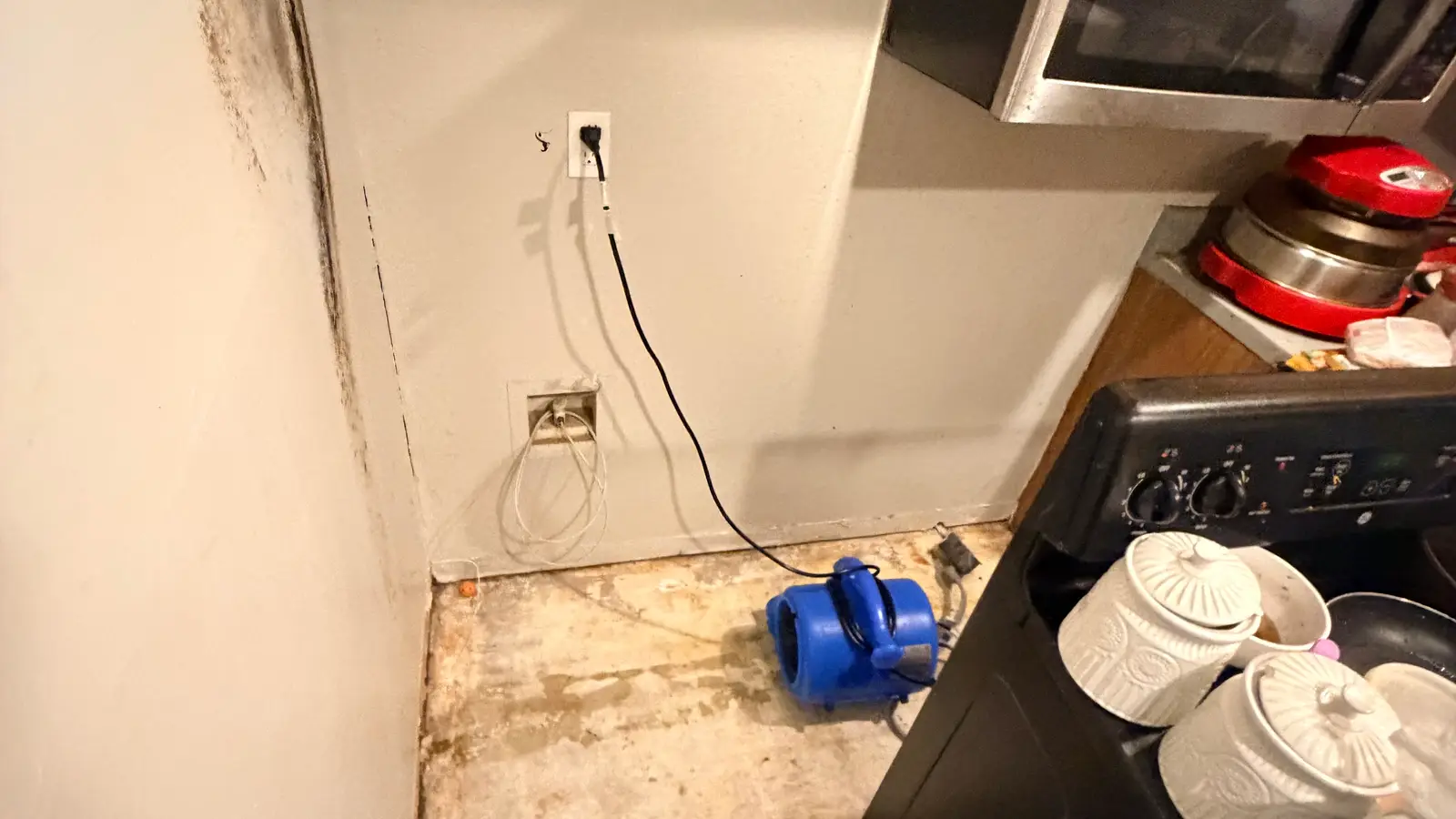
If water is in your home right now, start with emergency water extraction. Every hour it sits adds to the drying. Our water damage restoration page covers the full service, from extraction to moisture monitoring, and you can call us 24/7 or request service online.