Insurance and Claims
Renters and water or fire damage: what renters insurance usually covers
Does renters insurance cover water damage or fire damage? TDI says it usually covers your belongings, not the building. We explain what to check and do first.
By Ricky Ballard7 min read
Renters insurance usually covers your own belongings when a burst pipe or a fire damages them, and it can pay extra living costs if a covered loss forces you to move out for a short time, according to the Texas Department of Insurance (TDI) renters insurance guide. It doesn't cover floods, and it won't pay to fix the building itself, which TDI's home insurance guide leaves to the building owner's policy.
Does renters insurance cover water damage of every kind, then? No. The cause of the water decides a lot, and your own policy decides the rest. Only that document, your agent or your insurance company can say what yours pays for, and TDI's help line takes questions when you're stuck. What follows is TDI's general guidance for renters, plus the first steps worth taking while the carpet is still wet.
Your belongings, the owner's building
A rental usually has two policies in play, and TDI draws the line between them plainly. Your landlord's insurance won't cover your personal items. Renters insurance, for its part, won't pay to fix the house or apartment building; the building owner's policy does that, per the home insurance guide. TDI's guidance sorts the usual pieces of a water or fire loss like this.
| What got damaged | The policy TDI points to | What TDI adds |
|---|---|---|
| Your furniture, clothes and electronics | Your renters policy (personal property coverage) | It covers belongings even when they're stolen from your car or while you travel. |
| Walls, floors, cabinets and the building | The building owner's policy | Renters insurance won't pay to fix the house or apartment building. |
| Extra costs while you live somewhere else | Your renters policy (additional living expenses) | It pays the extra cost of food, rent and other things after damage from a covered loss. |
| Someone hurt in your home | Your renters policy (personal liability) | It also pays legal costs if you're liable and taken to court. |
| Your belongings after a flood | A separate flood policy | Renters policies don't cover losses due to floods. |
Two catches deserve a second look before anything goes wrong. Some liability-only renters policies don't pay for your personal property at all, TDI warns, so check which kind you bought. And if you share a lease, each roommate needs a separate policy. TDI's blunt version: your roommate's policy covers only their belongings.
Water damage: sudden, gradual or flood
With water, the cause carries the claim. TDI's guide to water damage and mold coverage says most homeowner and renters policies cover sudden and accidental water damage, and it names three examples: a burst pipe, a toilet overflow and a broken washer hose. Gradual leaks are another story. Policies usually won't cover damage from gradual leaks or seepage, TDI says, and that includes damage from mold.
Frozen pipes come with a condition attached. In its winter weather tips, TDI says home and renters policies might not pay for frozen-pipe damage if you didn't take steps to protect your pipes, such as keeping the heater on. If you leave town during a freeze, that sentence is worth remembering.
Floods need their own policy
Rising water is the big exclusion. TDI's renters guide says renters policies don't cover losses due to floods, and a Texas law, House Bill 531, requires landlords to tell potential renters if they know the home is in a 100-year flood plain or had flood damage at least once in the previous five years. Landlords also have to encourage renters to buy flood insurance. If that notice turns up in your lease paperwork, take it seriously. Our post on flood insurance in Texas explains TDI's and FEMA's guidance on buying a separate policy.
Water from a neighbor's unit is its own puzzle, since the source sits in someone else's home. Our post on water damage from an upstairs unit covers that situation.
Fire and smoke: your things and a place to stay
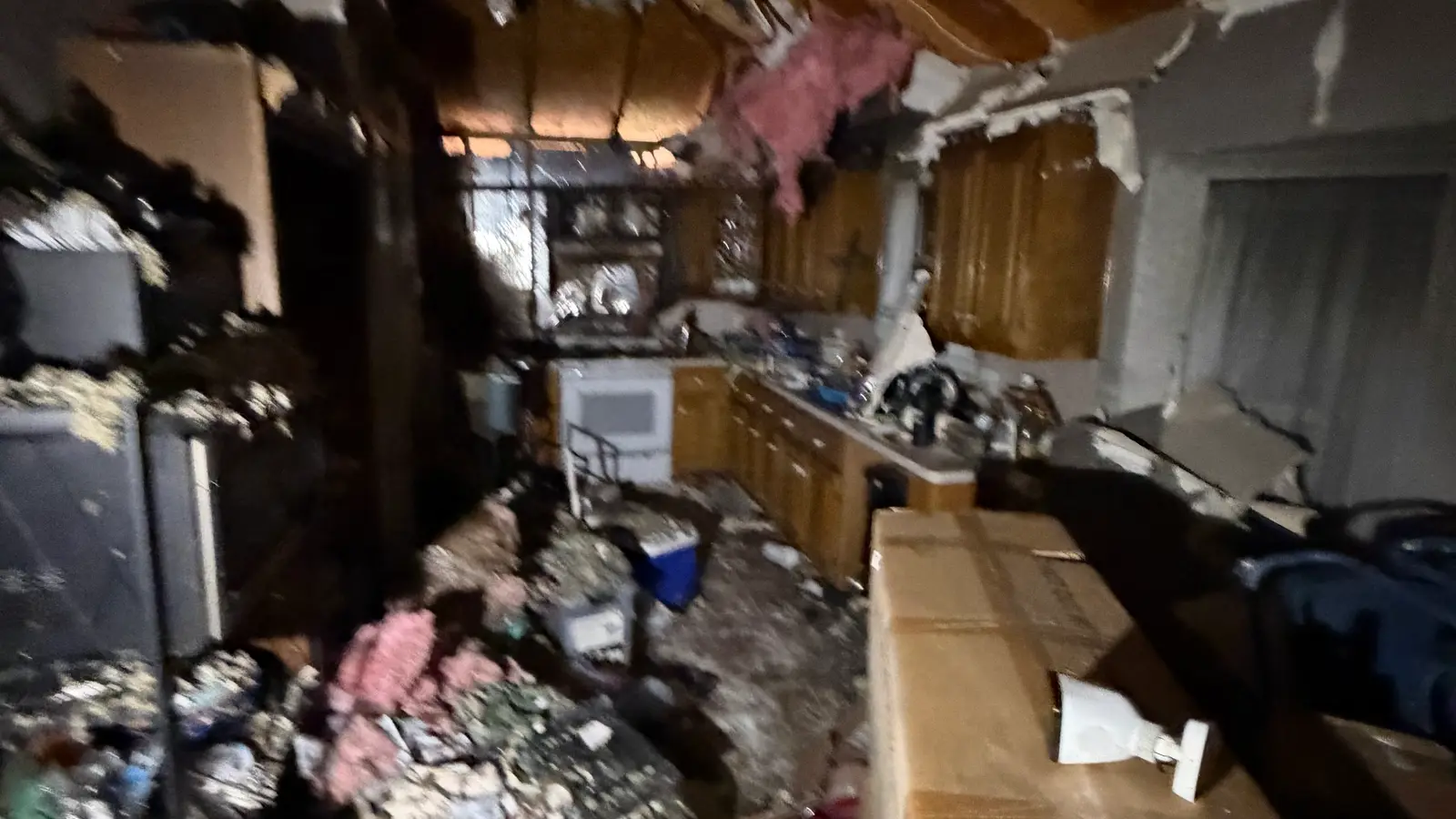
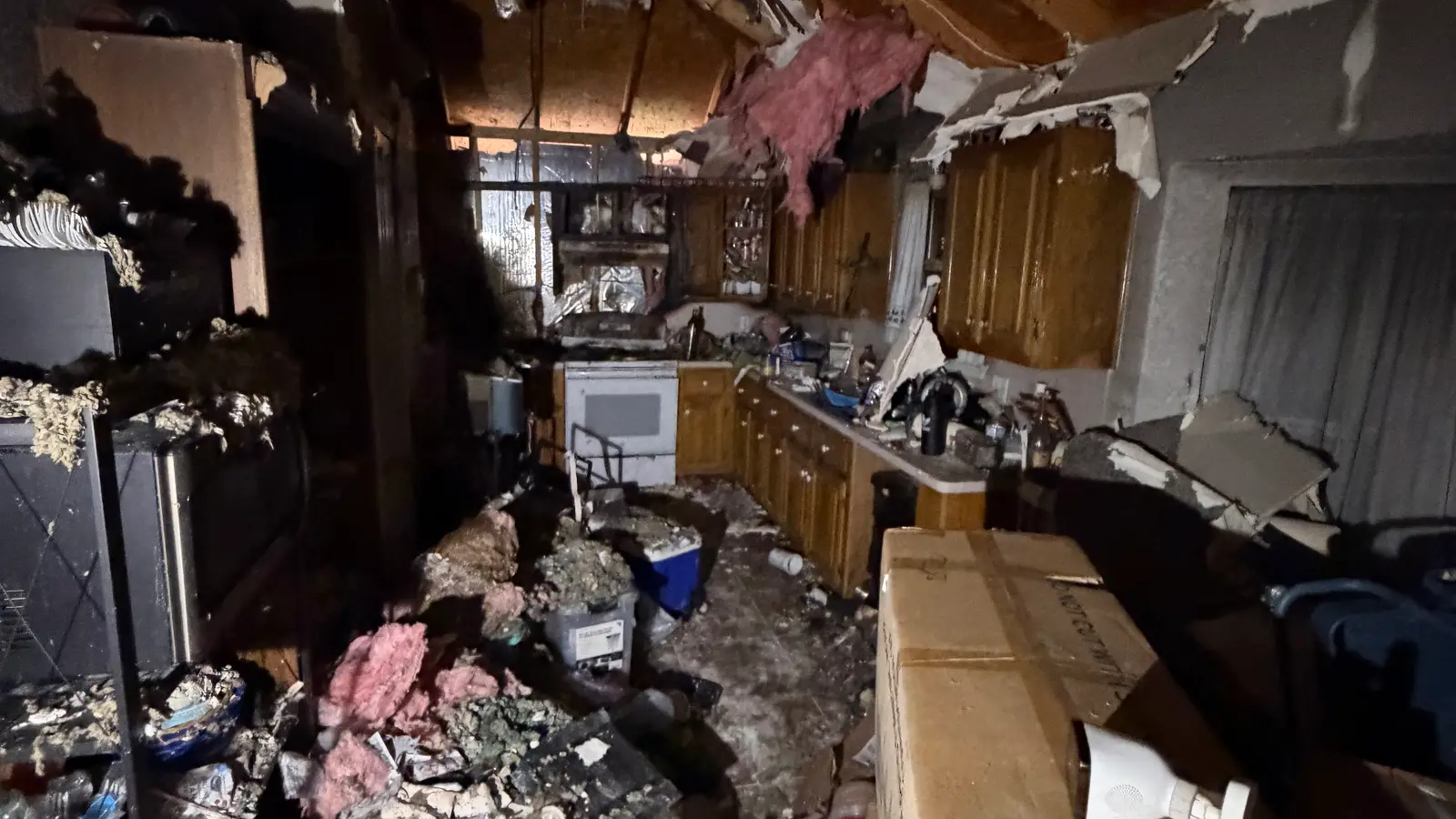
Fire is the clearer case on paper. TDI's renters guide says most renters policies cover losses due to fire and smoke, along with theft and vandalism. The weeks after the fire are usually the harder part.
If the damage leaves your place unfit to live in, additional living expenses (ALE) can matter more than the couch. TDI's fire and smoke FAQ says homeowners and renters policies usually cover some of your extra living costs if you have to move temporarily because of a covered peril. That typically means a hotel, a motel or other temporary shelter. Read the limits before you book a room, though. Policies pay ALE only for a certain amount of time and only up to a specific dollar limit, the FAQ says, and you have to submit receipts. Your insurer doesn't have to advance you money, but plenty of companies do.
Smoke damage splits along the same line as water. Cleaning soot and smoke odor off walls and ceilings is work on the building, which sits on the owner's side of the line; our fire damage restoration page explains what that cleanup involves. Smoke in your clothes, mattress and electronics is a personal property question for your own policy.
Limits and fine print TDI flags
A covered loss still has edges. TDI's renters guide says your policy pays to repair or replace belongings only up to a dollar limit, the most the company will pay even if the real cost runs higher. Some policies also set lower caps for certain kinds of property; TDI names cash, items used for business, and jewelry and watches as common examples. Expensive items or collectibles may need extra coverage, so ask your agent about it.
How the policy values your things matters just as much. TDI's example is a laptop bought two years ago: if it's destroyed, a basic renters policy pays what the same kind of laptop sells for now, not what you paid. Policies that cover replacement value exist, and they cost more. Our post on replacement cost vs. actual cash value explains the difference.
Two more rules round this out. If you're a dependent, TDI says your parents' homeowners policy may cover your stuff even when you don't live at home, usually up to 10% of that policy's personal property coverage. And the deductible stays with the policyholder: Texas law requires a property insurance policyholder to pay it, as TDI's summary of the law notes. On a renters claim, that's you.
The first hours after damage in a rental
Most of this list comes straight from TDI and Ready.gov. Safety goes first, every time.
- After a fire, Ready.gov says to check with the fire department that your home is safe to enter, and not to reconnect utilities yourself.
- Stop the water if you can do it safely. TDI says to know how to turn off the water at the main valve or at the valves under sinks and near appliances. Can't reach a shutoff? Call maintenance or your landlord right away.
- Tell your landlord or property manager what happened, and write down when and how you told them.
- Take pictures or video of the damage before anything gets moved or repaired, and make a list of your damaged property, as TDI recommends.
- Keep damaged items. TDI says not to throw them away until your adjuster has seen them.
- Report the claim to your insurance company as soon as possible. With hidden water damage, TDI says you usually must report it within days after you first see it.
- Save every receipt, from a hotel night to a box of trash bags.
Where a restoration company fits in a rental
We have a role in a rental, and it has limits. We help document the damage and work with your insurance carrier throughout the restoration process. In a rental, that carrier might be the owner's, yours or both, and each policyholder keeps their own claim and their own deductible. We don't decide coverage, interpret anyone's policy or act as an adjuster. Our insurance claims page shows how the documentation works.
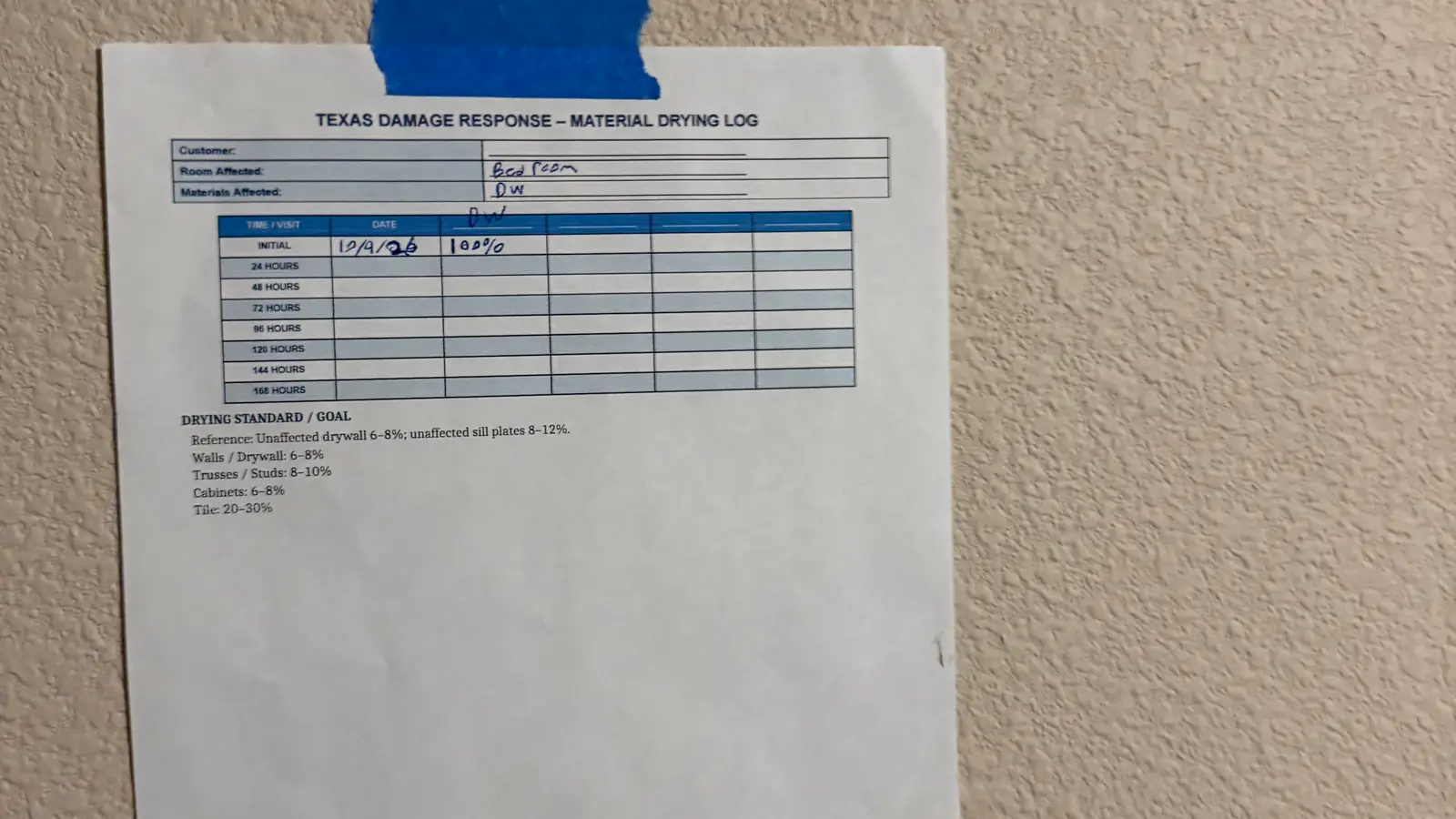
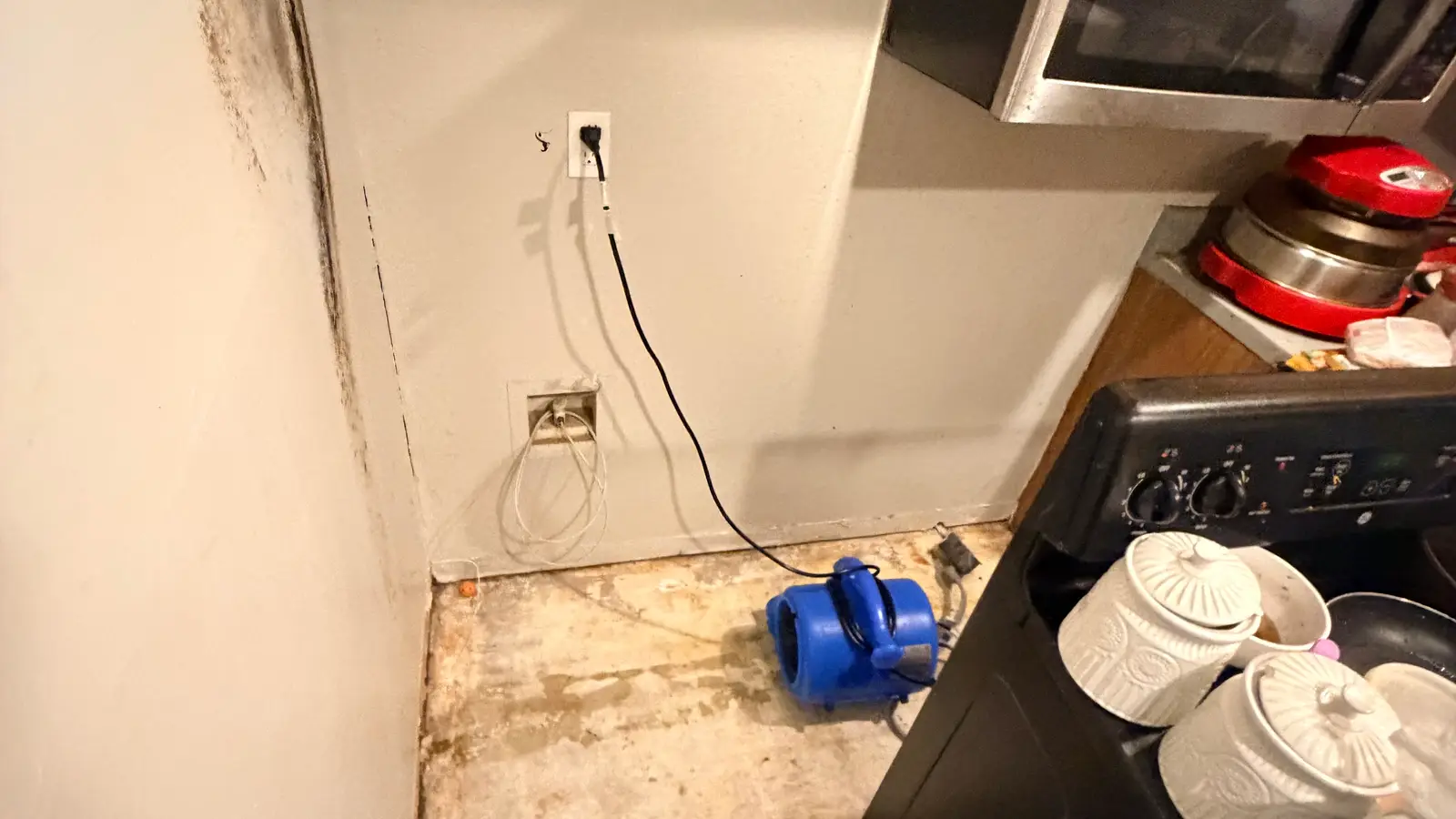
The work follows the damage. Water damage restoration means getting the water out, drying the structure and tracking moisture until the readings say it's dry. If belongings have to leave while that happens, contents pack-out covers packing, an inventory, transportation, storage and the return trip. We're based in San Antonio, work across the surrounding counties and answer 24/7. Whether you rent the home or own it, you can request service or call us any time.