Water Damage
What to do when a pipe bursts: shutoff, safety and drying, step by step
What to do when a pipe bursts: close the right valve, keep the wet area safe, photograph the damage, then call a plumber and a water damage restoration crew.
By Ricky Ballard7 min read
When a pipe bursts, stop the water first: close your home's main shutoff valve, or the valve at the meter if you can't find yours or it won't turn. Then keep everyone clear of wet wiring, photograph the damage, and call a licensed plumber for the pipe and a water damage crew for everything the water reached.
That's the whole answer to what to do when a pipe bursts. Doing it is harder. At two in the morning, with water racing across the kitchen floor, a lot of people realize they've never seen their main valve. Plenty of guides say "shut off the main" and move on. We think the valve deserves its own section, because that's where the lost minutes pile up.
Step 1: close the right valve
The Texas Department of Insurance (TDI) puts it plainly: if you have a sudden leak, shut your water off at the main. Every minute the main stays open, the broken pipe keeps feeding water into floors, walls and cabinets. Most homes give you two places to do it, and they aren't the same valve.
Your house valve
Try this one first. San Antonio Water System (SAWS) says customer valves usually sit on the property owner's side of the water meter, and calls it the valve that lets you turn off water to your house for repairs. Austin Water describes the same setup: the owner's shutoff typically sits on your side of the meter, at the meter box. Some houses also have a second shutoff where the line enters the house, and if yours does, it may be closer than the meter box.
The utility valve at the meter
If your own valve is missing, broken or stuck, the meter box holds another one. Austin Water tells customers to use the City shutoff valve in the meter box when they can't find their own or it's damaged, and notes that you may need a water meter key, sold at most hardware stores. After a February 2022 freeze, SAWS walked customers through it: find the shutoff near the meter, remove the cover, clear out debris, and rotate the valve a quarter turn clockwise.
Bring a flashlight. Better yet, practice once on a calm afternoon, so the first time you lift that lid isn't the night a pipe gives out.
If neither valve will turn
A valve that won't budge is a job for your water utility, not a test of grip strength. In San Antonio, SAWS tells customers who can't shut off their water to request help online or call its Emergency Operations Center, and it lists its water and sewer emergency line as open 24 hours a day, 7 days a week. Other utilities run their own emergency lines, so look up yours and save it in your phone today.
| Valve | Where to look | Use it when |
|---|---|---|
| Your house (customer) valve | Your side of the water meter, often at the meter box | Any burst pipe. Try it first. |
| Utility valve at the meter | Inside the meter box; you may need a meter key | Yours is missing, damaged or stuck |
| Your water utility | Its emergency line or online request | Neither valve will turn |
Step 2: keep water and electricity apart
Water that reaches outlets, cords or a light fixture turns a plumbing problem into a shock hazard. The CDC's electrical safety guidance says that when circuits or equipment get wet, you should turn off the power at the main breaker or fuse on the service panel. It adds two hard limits. Don't step into standing water to reach the main switch, and never turn power on or off while you're standing in water. If you can't reach the panel from dry ground, call an electrician.
Leave the power off afterward, too. The CDC says not to turn it back on until a qualified electrician has inspected the wet equipment. Annoying, yes, but a ruined panel is worse.
Step 3: protect your things, then record everything
Once the water is off and the power is safe, spend ten minutes on damage control before you mop. TDI's water damage advice says to move expensive items off the floor, and it warns that your insurer may deny your claim if you don't protect your property. Its water damage and mold tips fill in the rest:
- Take pictures or video of the damage before you make any repairs.
- Make temporary repairs that protect the house and your belongings, but hold off on permanent ones until your insurance company has seen the damage.
- Don't throw away damaged items until the adjuster has seen them, and make a list of your damaged property as you go.
- Keep receipts for the materials you buy to make repairs.
Then tell your insurance company; TDI's wording is "as soon as possible." The claim and the deductible stay yours, and your carrier and its adjuster decide what the policy covers. We help document the damage and work with your insurance carrier throughout the restoration process, and our page on documenting the damage for your carrier explains where that work fits.
Step 4: make the calls in the right order
Knowing what to do when a pipe bursts includes knowing who does which job. A burst pipe needs more than one kind of help, and mixing up the roles can cost you a morning. The work splits like this.
| Call | What they handle | When |
|---|---|---|
| Licensed plumber | Repairs or replaces the broken pipe | Right after the water is off |
| Your insurance company | Opens the claim and sends an adjuster | As soon as possible |
| Water damage restoration company | Removes standing water, dries the structure (walls, floors, framing) and logs moisture readings | As soon as the water is off |
| Electrician | Checks wet outlets, fixtures and the panel | Before the power goes back on |
| Your water utility | Helps with a valve you can't close | Only if you can't stop the water |
Who fixes the pipe, and who handles the water
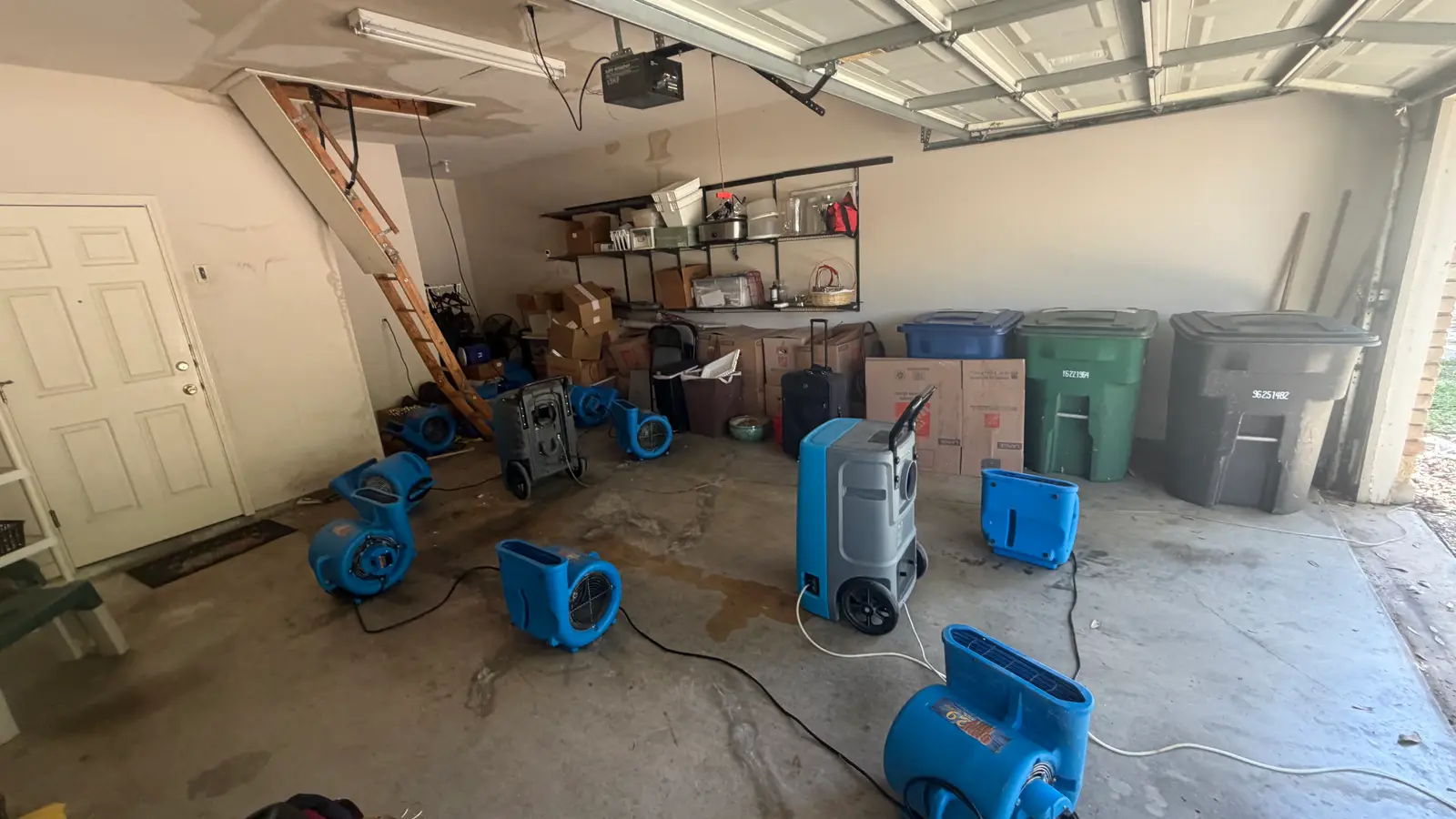
One thing to be clear on: Texas Damage Response doesn't do plumbing. A licensed plumber repairs the pipe. Even SAWS draws that line: when its crews find a leak on private property and shut the water off, they leave a door hanger telling the owner or resident to contact a plumber for repairs, according to its leak page. We handle the water, starting with emergency water extraction to pull standing water out of carpet and floors, then drying and moisture checks. The two jobs don't wait on each other. With the main closed, drying can start before the new pipe goes in.
Mistakes that make a burst pipe worse
Part of what to do when a pipe bursts is knowing what not to do, because each of these can stretch a one-day mess into a week of drying.
- Turning the water back on to "test" the pipe. Texas A&M AgriLife Extension's frozen pipe guide says that once a pipe has broken, the main water valve stays off until the leak gets repaired.
- Tossing the soaked rug before the adjuster sees it. TDI says to keep damaged items until the adjuster has seen them. Drag it outside, photograph it, and let it sit on the patio where it can't drip on anything that's still dry.
- Patching the drywall right away. TDI says permanent repairs should wait until your insurance company sees the damage. A fresh patch over a wet wall also traps the moisture inside.
- Letting it air-dry for a week. The EPA says to dry water-damaged areas and items within 24 to 48 hours to prevent mold growth, and TDI notes that mold can start growing within a day after a leak. A box fan rarely gets a soaked wall there in time.
With the valve shut, start the drying
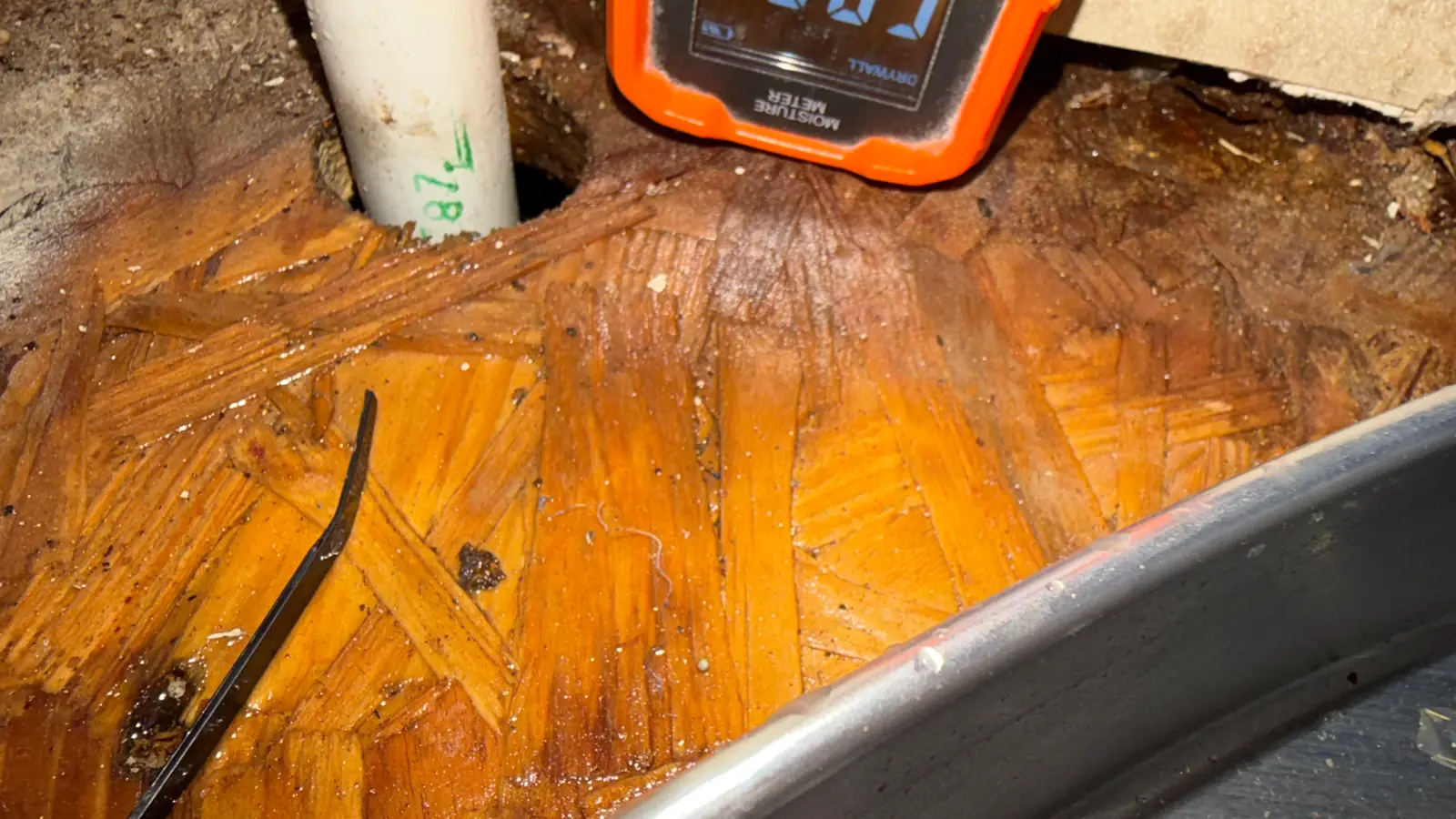
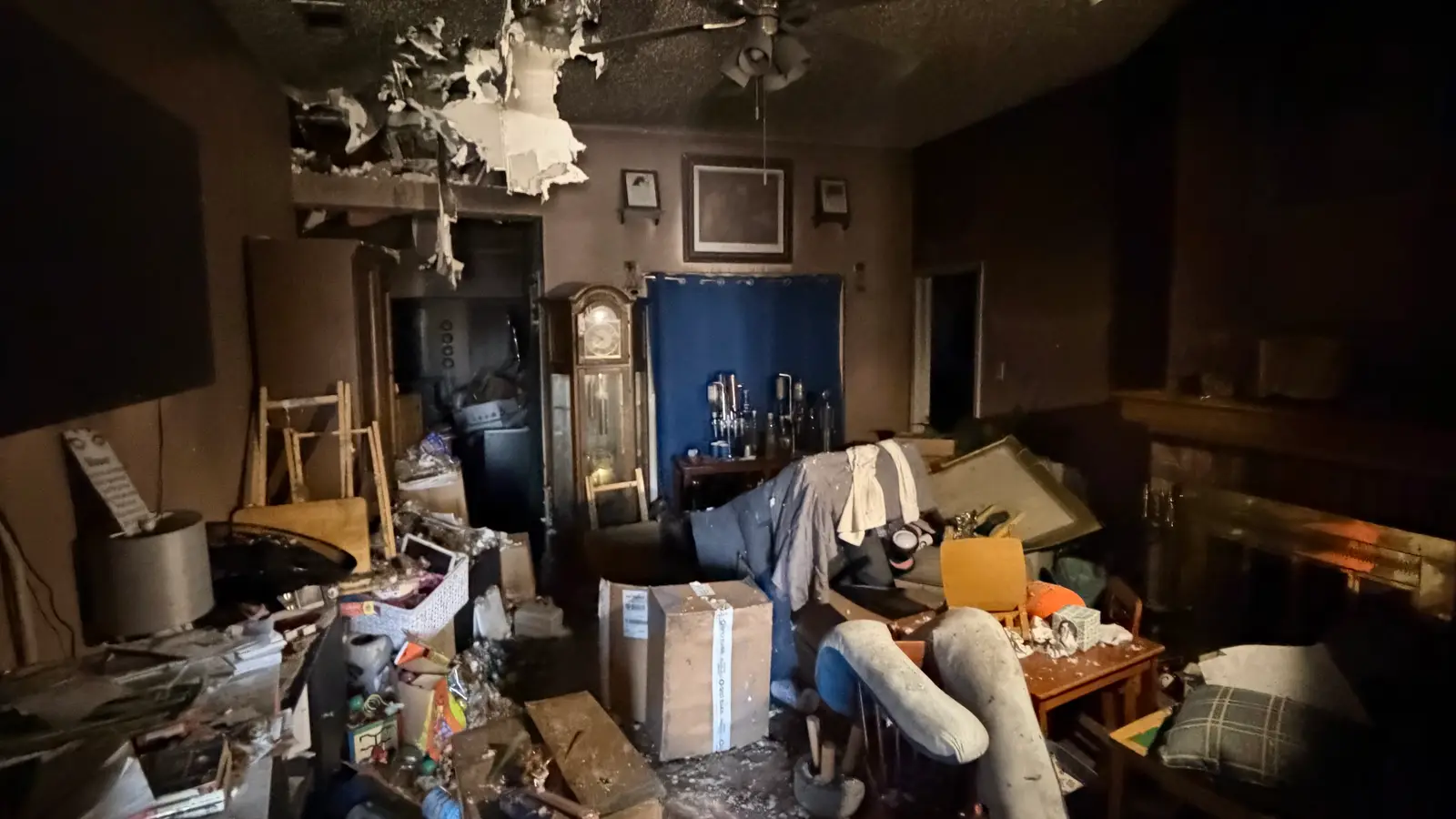
By now you've closed the valve, made the power safe and taken your photos, so the emergency part is over. The cleanup isn't. Water from a broken supply line spreads under flooring, soaks into drywall and climbs into baseboards and cabinet bases, and most of it ends up where you can't see it. If the break was behind a wall, our guide to a burst pipe inside a wall or ceiling covers the signs. If it happened during a freeze, check the rest of the house with our after-the-freeze checklist. For coverage questions, read whether homeowners insurance covers water damage.
When the water has reached floors, walls or cabinets, request burst pipe water damage cleanup from Texas Damage Response. The phones are answered 24/7 by a veteran-owned and operated San Antonio company, so the drying can start while the plumber handles the pipe.